12 Best Dogs for Families and Real Life
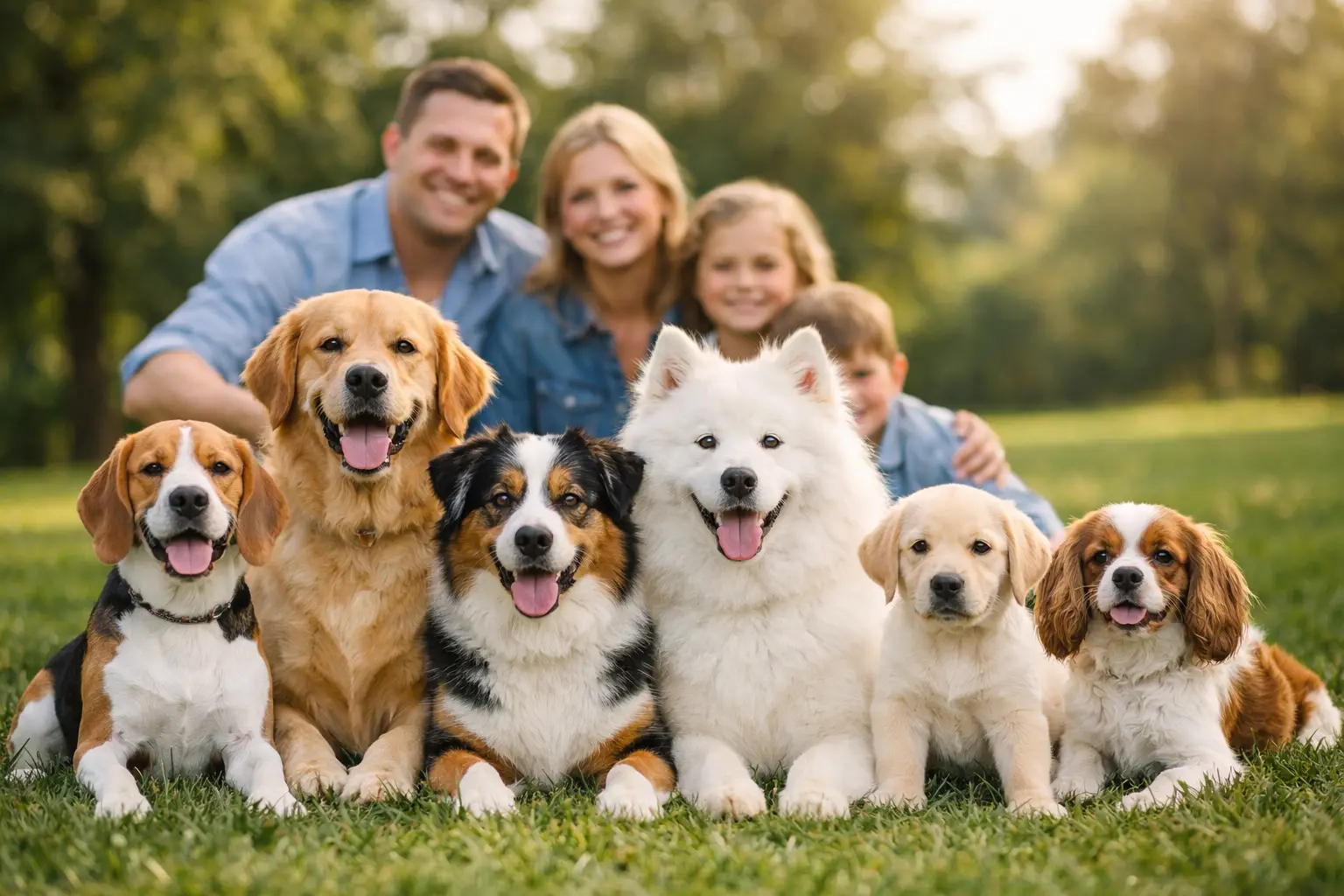
A puppy can become the child who waits by the window after school, the walking buddy who gets everyone outside, and the calm presence at the end of a hard day. That is why choosing among the best dogs for families is less about finding the cutest face and more about finding a dog whose needs fit your household for years to come.
A breed can offer useful clues about size, activity level, grooming, and common personality traits. But no breed guarantees a certain temperament. A puppy's early care, parent temperament, training, socialization, and the rhythm of your home all matter. The right choice is the one your family can safely and happily care for every day.
What Makes a Dog a Good Fit for Family Life?
Families often look for a dog that is affectionate, patient, trainable, and comfortable around normal household activity. A good family fit also needs to match practical realities: how long the dog will be alone, whether young children are present, who can handle daily walks, and how much grooming you can manage.
A gentle, low-energy dog may be easier for a quieter household, while an active family with older kids may love a dog that wants to hike, play fetch, and join every weekend outing. Large dogs can be wonderfully soft with children, but their size can accidentally overwhelm toddlers. Small dogs can work beautifully in apartments, yet some are more delicate and may need careful handling.
Before falling in love with a listing, talk openly with the seller about the puppy's parents, health records, early environment, and daily routine. No guesswork, no surprises is a better starting point for a family decision this meaningful.
12 Best Dogs for Families to Consider
Golden Retriever
Golden Retrievers are popular family dogs for a reason. They are often friendly, eager to learn, and enthusiastic participants in everything from backyard games to swim days. They need regular exercise and plenty of companionship, so they are best for families prepared for daily activity, shedding, and ongoing training.
Labrador Retriever
Labs tend to be outgoing, food-motivated, and highly trainable. Their playful nature can make them a strong match for active homes, especially when children are old enough to participate in respectful play and basic training. Like Goldens, Labs are energetic as puppies and adolescents, not automatic couch potatoes.
Poodle
Poodles come in Standard, Miniature, and Toy sizes, giving families more flexibility than many breeds. They are often bright, athletic, and people-oriented, and their low-shedding coat can appeal to households that prefer less loose hair around the home. That coat still requires consistent professional grooming and at-home brushing.
Cavalier King Charles Spaniel
For a family wanting a smaller companion, the Cavalier King Charles Spaniel is often affectionate and adaptable. Many enjoy both a short walk and a long cuddle, making them a good option for less intense activity levels. Because they are small and gentle, young children should be taught not to pick them up or play roughly.
Beagle
Beagles bring charm, curiosity, and a love of being part of the group. Their sturdy size and cheerful nature can suit families with children, but their noses can lead them into trouble if they are off leash or left in an unsecured yard. Expect regular exercise, patient training, and occasional vocal opinions.
Boxer
Boxers are affectionate, playful, and often especially devoted to their people. They can be a wonderful choice for active families who want a dog with a big personality. Their exuberance is real, though. Early manners training is essential so an excited Boxer does not bowl over small children or guests.
Bichon Frise
The Bichon Frise is a compact, cheerful dog that often enjoys being close to its family. Their small size can suit apartment living, provided they still receive walks, play, and attention. They need frequent grooming to prevent mats, and their social nature means they may struggle in homes where they are alone for long workdays.
Bernese Mountain Dog
Bernese Mountain Dogs are known for their calm, affectionate presence and striking good looks. They can be deeply rewarding family companions for households with enough room, a secure outdoor space, and comfort managing a very large dog. Their thick coat sheds heavily, and responsible conversations about breed-related health history are especially valuable.
French Bulldog
French Bulldogs are often affectionate, entertaining companions that fit well in smaller homes. They generally do not need the long runs required by sporting breeds, but they still benefit from daily walks, training, and engagement. Families should be prepared to discuss breathing, heat sensitivity, and health documentation carefully with the seller.
Collie
Collies are often attentive, gentle, and responsive to training. They can thrive with families who enjoy teaching tricks, taking regular walks, and involving their dog in daily life. Rough Collies need more coat care, while Smooth Collies offer a lower-maintenance coat with a similar overall look and temperament profile.
Portuguese Water Dog
A Portuguese Water Dog may suit a family that genuinely enjoys an active lifestyle. These dogs are athletic, intelligent, and often happiest when they have a job, whether that means training games, hiking, or structured play. They need more than a fenced yard. Plan on daily physical activity and mental work.
Mixed-Breed Puppies
A thoughtfully raised mixed-breed puppy can be an excellent family companion. The key is understanding as much as possible about the puppy's background, expected adult size, parent dogs when known, early socialization, and health care. A mixed breed is not automatically healthier or more predictable, but a transparent seller can help you make an informed decision.
Match the Puppy to Your Household, Not a Trend
The most photographed breed on social media may not be the best fit for your calendar, budget, or living space. Start with your family's nonnegotiables. If both adults work away from home, think honestly about puppy breaks, midday care, and the gradual process of teaching independence. If you have toddlers, prioritize supervision and a breed size and energy level you can manage safely.
Grooming deserves the same attention as temperament. A low-shedding coat may mean regular appointments every few weeks. A short coat may still shed a great deal. Exercise needs also change with age: even a breed known for being calm as an adult may be busy, mouthy, and mischievous as a puppy.
Cost is part of the decision, too. Beyond the puppy's purchase price, plan for veterinary care, vaccines, preventives, food, training, supplies, grooming, pet insurance or an emergency fund, and boarding or pet care when you travel. Choosing carefully now protects both your family and the dog you bring home.
Questions to Ask Before You Commit
A responsible seller should welcome thoughtful questions. Ask to review the puppy's health information, vaccination and deworming records, and details about the parents. Ask what the puppy has experienced so far: household sounds, handling, crate introduction, littermates, people, and other pets.
It also helps to ask how the seller describes each puppy's personality. One puppy may be bold and busy, while another is more observant or cuddly. Those differences can matter as much as breed. Reviews, visible parent information, and clear communication give you a fuller picture than a few appealing photos ever could.
If a seller pressures you to pay quickly, avoids questions, will not provide documentation, or cannot explain where the puppy was raised, step back. A family puppy should come from a caring home with records you can review, not a rushed transaction that leaves you worried.
Set Up the First Weeks for Success
The right puppy still needs a plan. Before arrival, agree on feeding responsibilities, potty-break schedules, house rules, and where the puppy will sleep. Keep introductions with children calm and supervised. Teach kids to let the puppy rest, avoid hugging or climbing on the dog, and leave the dog alone while eating or chewing.
Enroll in positive, age-appropriate training early, and give your puppy safe chances to experience the world gradually. A well-matched puppy from a transparent source, paired with patient training, gives your family the best chance to build the kind of relationship that feels like home. When you are ready to search, All Puppies helps families review the details that matter before taking that next happy step.