Breeder Verification: What Families Should Check
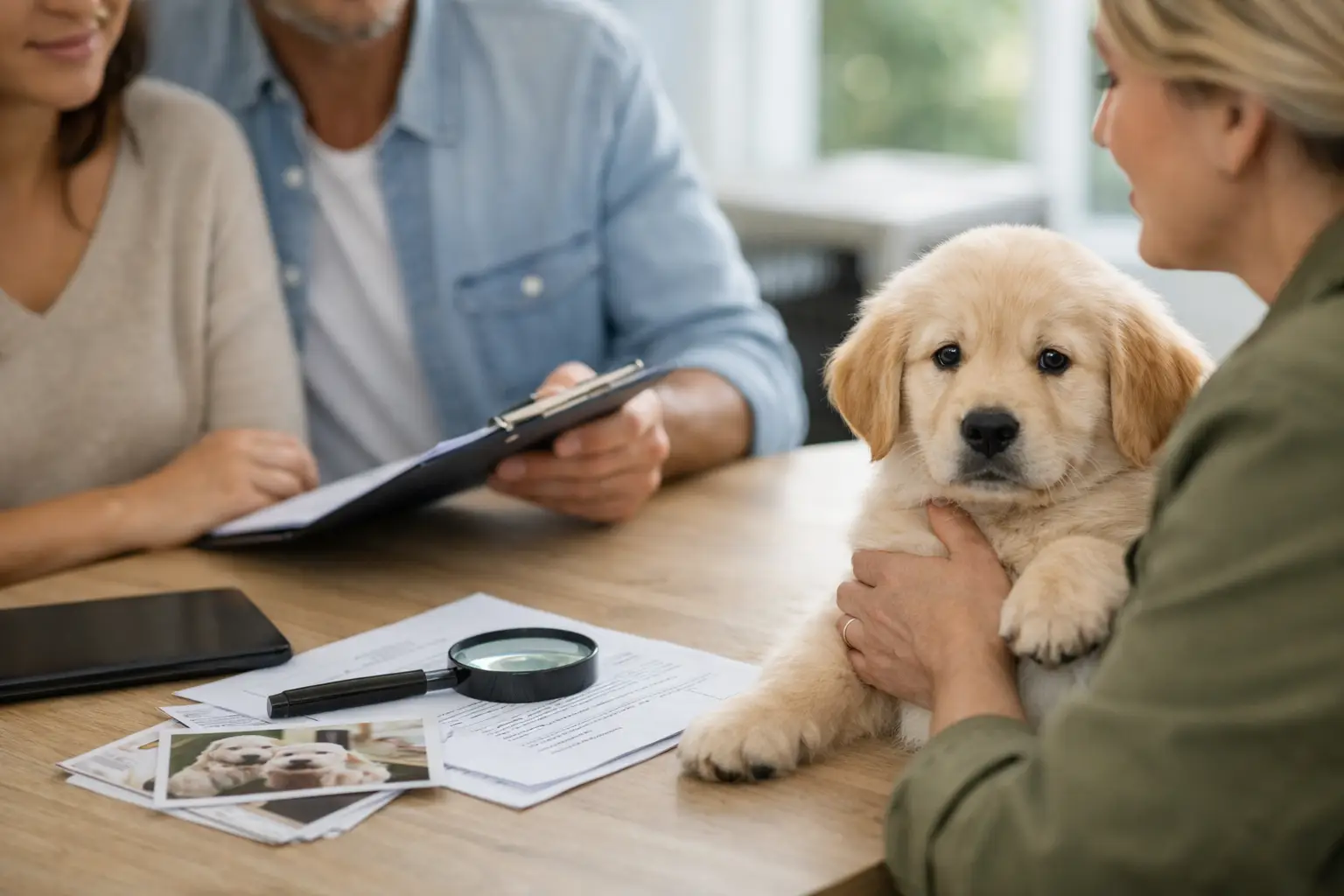
A puppy photo can make it easy to picture the first walk, the chewed slippers, and a new best friend sleeping at your feet. But before your family gets attached, breeder verification should answer a more practical question: who is caring for this puppy, and can you confirm the details behind the listing?
A responsible breeder or puppy seller should welcome thoughtful questions. Clear information is not a hurdle for a caring home. It is part of making sure a puppy is placed with a family that is ready to care for them for life. No guesswork, no surprises.
Why breeder verification matters before you reserve a puppy
Finding a puppy online gives families more choices, especially when they are looking for a specific breed, size, or temperament. It also means buyers need a way to separate transparent sellers from listings that leave out the facts that matter.
Breeder verification is the process of confirming that a seller is a real, accountable person or breeding home and that the information shared about a puppy can be supported with records and direct communication. It does not promise that every puppy will have a perfect future health outcome. Dogs are living animals, and even well-bred puppies can develop conditions later in life. What verification does provide is a much clearer starting point.
When a seller's identity, puppy health files, parent details, and communication are visible, you can make a decision based on more than a cute photo and a rushed message. That protects your family, supports responsible breeding homes, and helps discourage unsafe transactions that thrive on anonymity.
Start with the seller, not the puppy photo
A trustworthy listing should make it possible to understand who is offering the puppy. Look for a complete seller profile with a name, location, contact options, and a clear description of the breeding home or program. Identity checks are especially valuable because they create accountability. If a problem comes up, you should not be left trying to trace an unknown person behind a temporary account.
Read the seller's description closely. Responsible breeders tend to speak plainly about their dogs, their routine, and the kind of homes they hope to find. They should be able to explain how puppies are raised, when they can go home, what care they have received, and how they match puppies with families.
Reviews can add helpful context, particularly when they describe the communication process, the puppy's condition at pickup or delivery, and whether the information shared beforehand matched reality. Reviews should not be the only factor you use. A small, newer breeding home may have fewer reviews than an established one. Still, consistent feedback can reveal whether a seller follows through and treats buyers with care.
Pay attention to how the seller responds when you ask normal questions. A thoughtful response does not have to be immediate at every hour, but it should be respectful and specific. Pressure to send money quickly, refusal to speak by phone or video, or answers that stay vague are reasons to slow down.
What health and parent records should show
Puppy health information should be easy to review before you make a commitment. Depending on the puppy's age and the breeder's program, records may include vaccination history, deworming information, a veterinary exam, microchip details, genetic testing, or documentation related to the parents.
The exact records vary by breed and age. A young puppy may not yet have completed every recommended vaccine series, for example. That is normal. The key is that the seller can clearly tell you what has already been done, what is still due, and when your veterinarian should take over care.
Parent information matters because it gives you a fuller picture of your puppy's background. You may be able to review photos, ages, sizes, temperaments, and relevant health testing for the dam and sire. For breeds with known inherited concerns, ask what screening or testing was completed and why it was appropriate for that breed. A responsible seller should not claim that any test makes a puppy risk-free. They should be able to explain their health practices honestly.
You can also ask about the puppy's daily environment. Were the puppies handled regularly? Have they been exposed to normal household sounds? What food are they eating? Are there other dogs, children, or animals in the home? These answers help you prepare for the puppy you are bringing home, rather than expecting every puppy of a breed to behave the same way.
Ask for clarity, not perfection
Families sometimes worry that asking questions will seem rude. It will not. You are preparing for years of veterinary care, training, and companionship. Good questions show that you take that responsibility seriously.
Ask what is documented, what is not yet known, and what the seller recommends as the next step after your puppy arrives. Be cautious if a seller makes sweeping promises about health, adult size, coat color, or temperament. Estimates can be useful, but certainty is rarely realistic.
Use communication to confirm the listing details
Before reserving a puppy, communicate directly with the seller through a recorded, secure process whenever possible. Ask about the specific puppy, not just the litter. Confirm the puppy's date of birth, sex, current weight if available, personality observations, health record details, and the expected date they can join your family.
A video call or live video update can be reassuring when distance makes an in-person visit difficult. It can help you see the puppy moving around and give you a better sense of the setting. Still, video alone is not verification. It should support the documented information and verified seller profile, not replace them.
Keep your questions focused and practical. You do not need to interrogate a breeder. A simple conversation about the puppy's routine, parents, veterinary care, and transition plan can tell you a great deal about whether the seller knows and cares for the dogs in their home.
If you are choosing between two puppies, do not let urgency make the decision for you. A rare color, a limited-time discount, or claims that several buyers are waiting can create pressure. Sometimes there truly is strong interest in a puppy, but a responsible transaction should still leave room for you to review the facts.
Protected payments are part of safer breeder verification
Verification is not only about the puppy's background. It also includes how money changes hands. Informal payment methods can leave buyers with little recourse if the puppy is not delivered, the listing is misrepresented, or a seller disappears after receiving a deposit.
Look for a clear agreement that explains the purchase price, deposit terms, any delivery costs, and what happens if plans change. Protected payment processes add another layer of confidence by holding funds through delivery rather than asking families to send money directly to an unknown person.
Be especially careful with requests for gift cards, wire transfers, cryptocurrency, or payment apps sent to personal accounts without a documented agreement. These methods can be hard to reverse and are common in online scams. A legitimate seller should understand why your family wants a transparent process.
Delivery also deserves a clear plan. Confirm who is transporting the puppy, when the handoff will happen, what records travel with the puppy, and how you will receive updates. For long-distance arrangements, ask how the puppy's comfort and safety will be handled during travel.
A practical way to compare puppy listings
When several puppies catch your eye, compare the full picture rather than choosing only by appearance. One listing may have a slightly higher price because it includes documented health records, visible parent information, verified seller identity, and a protected transaction process. Another may look less expensive at first but provide few details and require an unprotected deposit.
Price matters, and every family has a budget. But the cheapest option is not always the best value when it creates unanswered questions about health, care, or delivery. Financing can help some families plan responsibly, but it should not replace a realistic budget for food, training, insurance or veterinary care, supplies, and unexpected expenses.
All Puppies brings these trust signals into one place so families can review seller profiles, puppy records, parent details, reviews, and protected payment options before moving forward. The goal is simple: give you a safer path from first search to the day your puppy comes home.
Red flags that deserve a pause
Some situations call for more questions. Others call for walking away. Be cautious when a listing uses photos that appear copied or inconsistent, the seller cannot provide basic puppy information, or the price seems dramatically lower than comparable puppies without a clear explanation.
You should also pause if a seller will only communicate through disappearing messages, refuses to share current photos or records, changes payment instructions at the last minute, or pressures you to pay before answering reasonable questions. A seller who becomes defensive about identity, health documentation, or parent information is not giving your family the transparency you deserve.
Trust your instincts, but pair them with evidence. A friendly message is nice. Verifiable details, straightforward communication, and protected steps are better.
Bringing home a puppy should feel exciting, not uncertain. Take the extra time to verify the person, the records, and the payment process. The right puppy is worth choosing with care, and a responsible seller will be glad you did.