Healthy Puppy Behavior Signs to Watch For
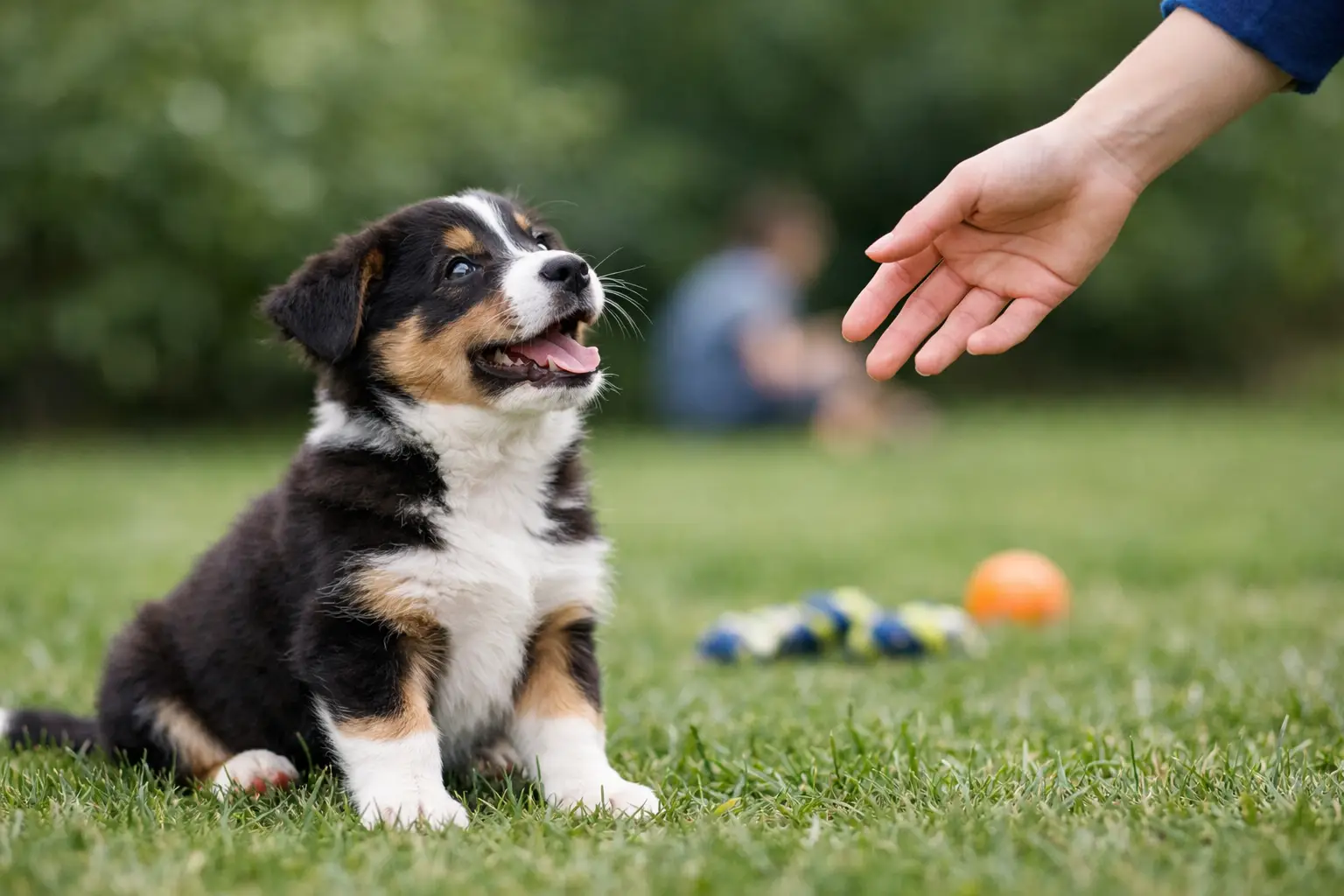
A puppy who wakes up ready to investigate the room, follows you for a few steps, then falls asleep mid-afternoon is giving you some of the most reassuring healthy puppy behavior signs. New puppies are wonderfully busy, occasionally clumsy, and often confusing. The goal is not to find a puppy who is calm every minute or perfectly trained from day one. It is to look for a puppy whose energy, appetite, curiosity, rest, and social responses generally fit together.
Behavior is only one part of puppy wellness. Health records, age-appropriate veterinary care, parent information, and an honest conversation with the seller help create the fuller picture. Still, daily behavior gives families a practical way to notice whether their puppy seems comfortable and ready to grow.
Healthy Puppy Behavior Signs in Everyday Life
A healthy puppy usually has bright periods of engagement. They may sniff a new toy, notice household sounds, explore a safe room, or come over to see what you are doing. Curiosity does not mean fearlessness. Many puppies pause around new people, surfaces, or noises before deciding they are safe. A brief hesitation followed by gentle investigation is often a normal response.
Look for a puppy who can shift between activity and rest. Young puppies need a surprising amount of sleep, often 18 to 20 hours over a full day. After a short play session, a nap is expected. Constantly pushing through exhaustion can lead to wild, nippy behavior that looks like excess energy but is really an overtired puppy who needs quiet time.
Healthy play is loose and flexible. Puppies may bounce, bow, chase a toy, mouth gently, or briefly growl while playing tug. Their bodies should look wiggly rather than frozen, and they should be able to pause when the game stops. A puppy also benefits from small moments of independence, such as settling with a chew nearby instead of needing constant attention.
A normal appetite is another encouraging sign, although it is not identical for every puppy. Most healthy puppies show interest in meals and treats, especially once they are comfortable in their new home. The first day or two after travel or a major transition can be different. Some puppies eat less while they adjust, so watch the overall pattern and follow the feeding guidance supplied by the seller and your veterinarian.
Social Behavior Should Be Curious, Not Forced
Families often expect a well-socialized puppy to greet everyone instantly. That is not the standard. A healthy puppy can be reserved in a new setting and still be emotionally well. What matters is whether they recover with patient, positive exposure.
For example, a puppy may hang back when a visitor enters, then approach after seeing that person sit quietly and offer a treat. They may startle when a pan drops, then look around and resume normal activity. These are useful signs of resilience. Give your puppy choice and space instead of passing them from person to person or insisting they meet every dog at the park.
Gentle handling is also worth watching. A puppy who accepts brief touches of the paws, ears, and collar with reassurance is building a helpful foundation for grooming and vet visits. They may squirm or object at times. The healthier goal is gradual comfort, not complete stillness. Keep handling sessions short, reward cooperation, and stop before your puppy becomes overwhelmed.
If there are children at home, teach them to recognize resting time. A puppy who is sleeping, eating, chewing, or retreating to a crate should be left alone. Respecting those signals protects both the child and the puppy, and it helps the puppy learn that family life is predictable and safe.
Mouthiness, Zoomies, and Accidents Can Be Normal
Puppies explore with their mouths. Nipping hands, grabbing pant legs, and chewing inappropriate items are common, especially during teething. Redirecting to an appropriate toy, calmly ending play when teeth touch skin, and making sure your puppy has enough naps will usually work better than scolding.
Short bursts of racing around the room, often called zoomies, are normal too. So are potty accidents during the learning process. A healthy puppy is not a finished dog. Progress is more meaningful than perfection: a puppy who gradually settles faster, starts choosing chew toys, and has more successful trips outside is learning well.
What Changes Deserve a Closer Look
One quiet afternoon does not automatically mean something is wrong. Puppies have off moments, and a move to a new home can temporarily affect sleep, eating, and confidence. The concern rises when there is a clear change from your puppy's usual behavior, when several symptoms appear together, or when the change does not improve.
Call your veterinarian for guidance if your puppy is unusually lethargic, repeatedly refuses food or water, seems painful when touched, isolates themselves, or cannot settle because of discomfort. Vomiting, diarrhea, coughing, trouble breathing, a swollen belly, pale gums, or discharge from the eyes or nose call for prompt veterinary attention. For a very young puppy, changes can become serious quickly, so it is better to ask than wait and worry.
Behavior that seems aggressive also deserves thoughtful handling. A puppy who growls when startled, cornered, or disturbed while eating may be communicating discomfort or fear. Do not punish the growl. Create space, prevent the situation from repeating, and talk with your veterinarian or a qualified force-free trainer. Early support is safer than trying to "test" the puppy or hoping the behavior disappears on its own.
Here are five patterns that should move a concern from observation to action:
- A sudden, sustained drop in energy or interest in normal activities.
- Repeated refusal to eat or drink, especially alongside vomiting or diarrhea.
- Persistent fear that does not soften with calm, gradual exposure.
- Yelping, limping, guarding, or other signs that handling or movement is painful.
- Difficulty breathing, collapse, a bloated abdomen, or pale gums, which need urgent veterinary care.
Start With a Reliable Health Picture
Before bringing a puppy home, ask to review the puppy's health information and age-appropriate care records. You should understand what vaccinations and deworming have been provided, when the puppy last saw a veterinarian, what food they are eating, and whether there are any known health concerns. Parent details can also offer useful context about expected size, temperament, and breed-related health considerations.
Responsible sellers should be willing to answer clear questions about how the puppy has been raised. Ask where the puppies sleep, what everyday sounds and surfaces they have experienced, how they interact with people, and what routines are already in place. No seller can promise a puppy will never get sick or never struggle with an adjustment. Transparency means sharing accurate records and realistic information, not making sweeping promises.
A marketplace that verifies seller identities and makes health files, parent details, and reviews easier to review can reduce guesswork before you commit. At All Puppies, families can use those details to have a better conversation with the seller and prepare for the puppy they are bringing home.
Help Your Puppy Show Their Best Self
The first week should be small and calm. Set up a comfortable sleep area, keep meals consistent, take frequent potty breaks, and limit visitors. Let your puppy learn your household one room and one routine at a time. A puppy who seems shy on day one may be happily carrying toys around by day five.
Schedule a veterinary visit soon after arrival, even when your puppy appears healthy. Bring the records you received, ask about your puppy's feeding plan and parasite prevention, and discuss safe socialization based on their vaccination status. Your veterinarian can help you distinguish normal adjustment from a concern that needs treatment.
Keep a simple note on meals, bathroom habits, sleep, and anything that concerns you during those first days. It makes patterns easier to see and gives your veterinary team useful information if you need advice. Most of all, give your puppy patient, steady care. A safe routine, kind boundaries, and early medical support give a young dog the room to become the confident companion your family is waiting for.