How Puppy Delivery Works for Your Family
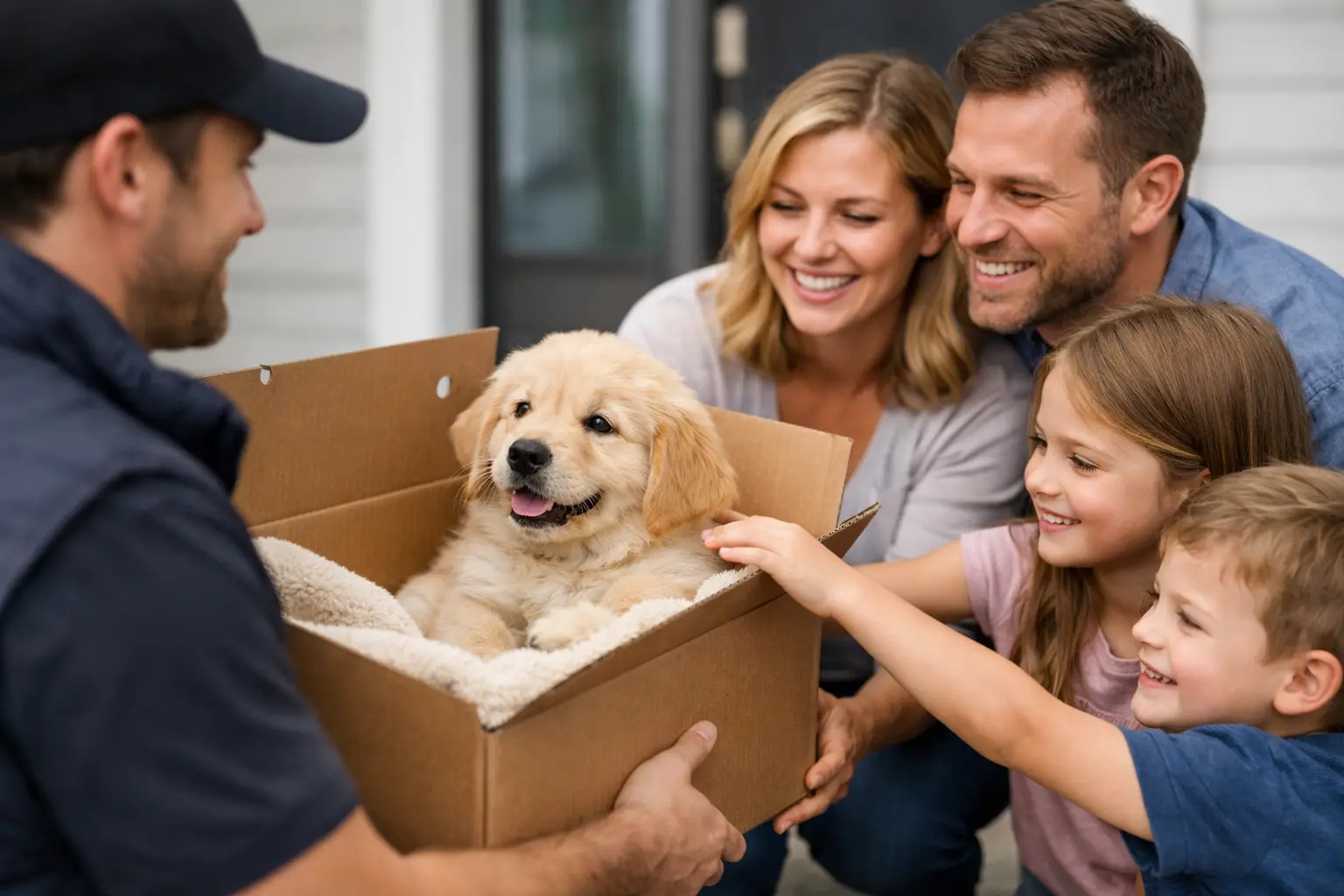
A puppy arriving at your door can feel like the happiest kind of countdown. It can also bring understandable questions: Who is transporting your puppy? How long will the trip take? What happens if travel plans change? Understanding how puppy delivery works before you commit helps you make a calm, informed decision and focus on welcoming your new family member.
Safe delivery is not just about getting a puppy from one place to another. It starts with a healthy, appropriately aged puppy, clear communication with the seller, a travel plan suited to the distance, and payment practices that protect everyone involved. No guesswork, no surprises.
How Puppy Delivery Works From Start to Finish
Puppy delivery usually begins after you have chosen a puppy, reviewed the available health and parent information, and spoken directly with the seller. The seller and buyer then agree on a delivery option based on the puppy's location, your location, the puppy's age, weather conditions, and the transport provider's availability.
Some families pick up their puppy in person. Others meet a transporter at an agreed-upon location, such as a nearby airport or public meeting point. For longer distances, a professional ground transport service or a flight-based arrangement may be considered. The right choice depends on the route and, most of all, what is safest and least stressful for the puppy.
Before any travel date is confirmed, you should know who will be handling the puppy, where the handoff will happen, the estimated travel window, and how you will receive updates along the way. A responsible seller will not treat these details as an afterthought.
The puppy should be ready to travel
A puppy should never leave for a new home simply because a buyer is eager for the arrival date. Age, health, and developmental readiness come first. Sellers should follow applicable state requirements and veterinary guidance on when puppies can travel and go to their new homes.
Before departure, the puppy should have current health documentation appropriate for the trip. Depending on the destination and transportation method, this may include vaccination records, a health certificate, feeding information, and any required travel paperwork. Ask the seller what documents will come with your puppy and request time to review them before delivery day.
A good delivery plan also accounts for the puppy's comfort. Puppies need a secure, properly sized crate or carrier, access to water, regular monitoring, and reasonable breaks during ground travel. Very young puppies are still adjusting to the world, so minimizing unnecessary handling, long delays, and extreme temperatures matters.
Common Puppy Delivery Options
There is no single delivery method that is best for every puppy or every family. Distance, route, season, and the individual puppy's needs all affect the plan.
In-person pickup
Picking up your puppy directly from the seller is often the most personal option. You may be able to see where the puppy was raised, meet the seller face to face, and ask final questions before heading home. It can be especially helpful for first-time owners who want guidance on the puppy's current routine, food, sleep habits, and personality.
Still, a long car trip can be tiring for a young puppy. Plan for a secure travel crate, absorbent bedding, water, cleanup supplies, and a quiet ride home. Do not schedule a busy day of errands or introductions after pickup. Your puppy needs a soft landing.
Professional ground transport
For puppies traveling across several states, professional ground transport may be an option. A reputable transporter should provide a clear route, expected pickup and delivery dates, contact information, and a plan for breaks, feeding, hydration, and overnight care if needed.
Ground transport can allow for more direct supervision than some flight arrangements, but it may take longer. Ask how many animals will be transported, how frequently the driver provides updates, and what happens if road conditions or weather cause a delay. A provider who cannot answer those questions clearly is not the right choice.
Flight arrangements
Flight-based delivery may be used when distance makes a road trip impractical. In some cases, a puppy may travel in the cabin with an attendant. Other arrangements may involve airline-approved animal transport processes. Availability can change quickly because airlines have their own age, breed, weather, and route restrictions.
Heat, cold, layovers, and short-notice schedule changes are real considerations. Never assume a flight is automatically faster or better just because it is more direct on a map. Ask exactly how the puppy will travel, who will meet the puppy at each point, and what backup plan is in place if the flight is delayed or canceled.
What You Should Confirm Before Paying
Delivery should be discussed before money changes hands, not added as a vague promise after a deposit is sent. You deserve a written understanding of the terms, including the delivery fee, timing, transportation method, and what happens if the original plan cannot be completed.
Before moving forward, confirm these essential details:
- The seller's identity, location, and direct contact information
- The puppy's health records and any travel documents required for the trip
- The name and contact information of the transporter, if one is involved
- The expected delivery date or delivery window, plus the handoff location
- The total cost, what delivery includes, and the policy for delays or cancellations
- When final payment is released and what protections apply if delivery does not occur
Be cautious if someone pressures you to pay quickly, refuses a phone or video conversation, will not share documentation, or changes delivery terms repeatedly. Those are not small inconveniences. They can be warning signs that the transaction is not being handled responsibly.
On All Puppies, buyers can review seller information, puppy health details, and parent information before arranging the next step. Protected payments held through delivery can also provide added reassurance that the process is being managed with accountability.
Communication During the Trip Matters
Once your puppy is on the way, you should not be left wondering what is happening. The seller or transporter should tell you when travel begins and provide reasonable updates based on the length of the trip. For a local handoff, that may mean a departure message and an estimated arrival time. For an overnight ground route, updates may include progress, rest stops, and revised timing if conditions change.
Delays can happen even with careful planning. Traffic, weather, airline changes, and the puppy's own comfort may require an adjustment. What matters is honest communication and a decision that puts the puppy's welfare ahead of convenience.
If the plan changes, get the new details in writing. Confirm where you should go, who you will meet, and whether the puppy has had food, water, and a recent potty break. A responsible delivery experience should feel organized, not rushed or secretive.
Preparing for Delivery Day
Set up one quiet area of your home before your puppy arrives. A crate or pen, fresh water, an age-appropriate food supply, puppy pads or outdoor potty access, and a washable bed are enough for the first day. Your puppy does not need a house full of toys, visitors, and excitement right away.
Bring photo identification and any required payment or confirmation details to the handoff. When you meet your puppy, take a few minutes to look over the records you were promised and make sure you receive any food, medication instructions, registration information, or comfort item traveling with the puppy.
Expect your puppy to be tired, uncertain, or extra clingy after the trip. That is normal. Keep greetings gentle, offer a potty break, and let the puppy rest. Even a well-planned journey is a major change for a young dog.
Schedule a veterinary visit soon after arrival, even if the puppy comes with health records. Your veterinarian can establish care, answer questions about feeding and vaccines, and give you a baseline for your puppy's health as they settle in.
A safe delivery is one that respects the puppy from the first conversation to the first night at home. When the seller, transporter, and buyer communicate clearly and put welfare first, you can open the door with confidence and give your puppy the calm welcome they deserve.