How to Avoid Puppy Scams Before You Send Payment
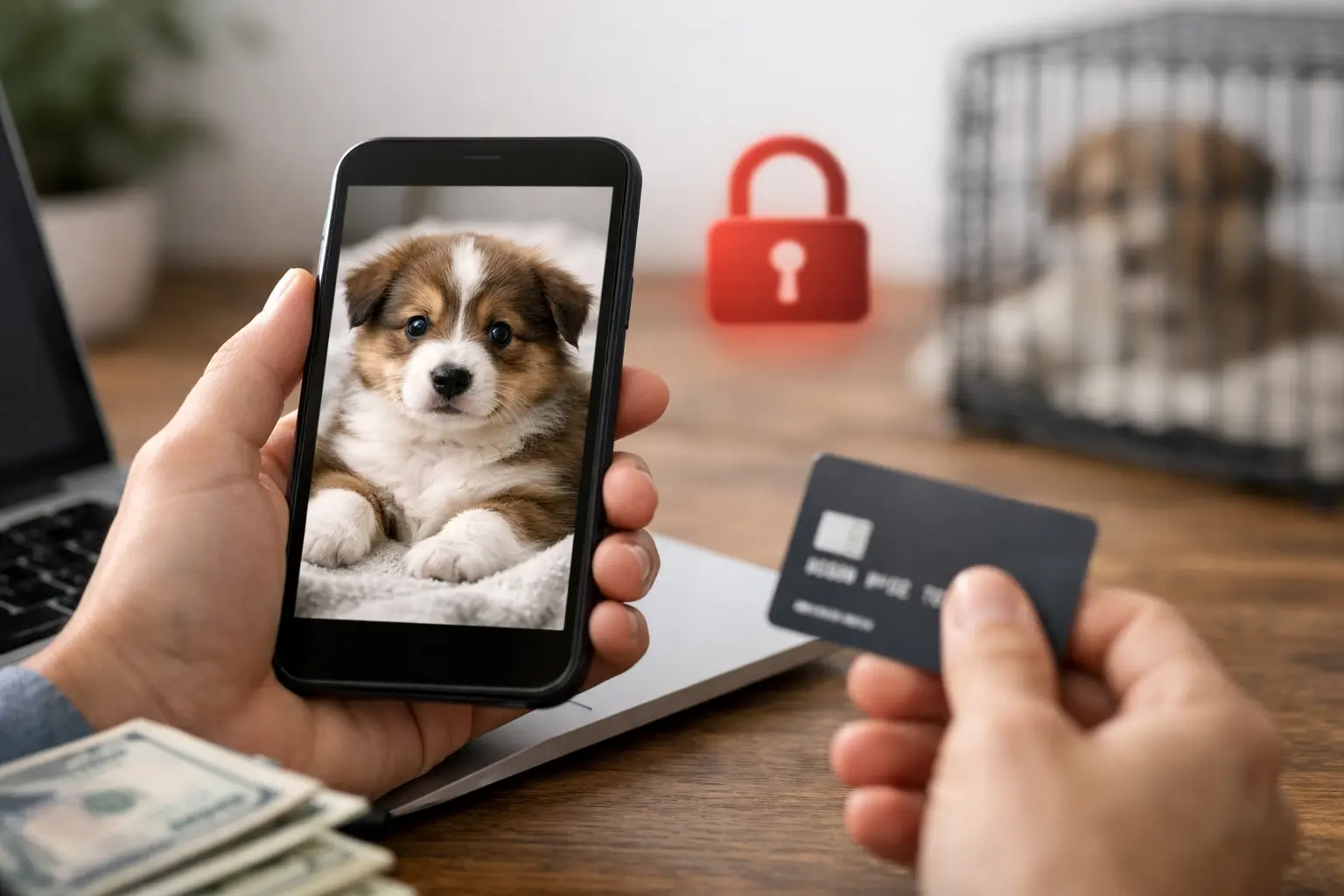
A puppy photo can make anyone want to act fast. That is exactly what scammers count on. Learning how to avoid puppy scams means slowing down before a deposit, asking for proof that is difficult to fake, and choosing a buying process that does not leave your family carrying all the risk.
A responsible seller wants the right home for every puppy. They should welcome thoughtful questions about health, parents, temperament, and pickup or delivery. A scammer usually wants only one thing: payment before you have enough information to verify that the puppy, seller, and listing are real.
How to Avoid Puppy Scams From the First Listing
Start by looking beyond the puppy's appearance. A polished listing or adorable video is not proof of a legitimate sale. Review the seller's full profile, location, contact details, and history. Look for clear information about the breeding home, the puppy's date of birth, current health care, and the parents.
Be cautious when a listing has very little detail but a price that seems unusually low for the breed, age, or location. Scammers often use low prices to create urgency, especially for popular breeds such as French Bulldogs, Golden Retrievers, Poodles, and Dachshunds. A lower price is not automatically a scam, but it should lead to more questions, not a faster payment.
Photos deserve a closer look, too. Search for consistency rather than perfection. Do the puppy photos show the same home, littermates, and age over time? Does the seller have pictures or videos of the parents? Are there details about the puppy's personality, feeding routine, or early socialization? Responsible breeding homes generally know these answers because they are actively raising the litter.
If something feels copied, rushed, or vague, pause. A seller who cannot explain basic details about a puppy should not be asking you for money.
Verify the Seller, Not Just the Puppy
A real puppy can still be used in a fraudulent listing. Scammers commonly copy pictures from breeders, social media accounts, or old advertisements and present them as their own. That is why verifying the person behind the listing matters as much as verifying the puppy.
Ask for a live video call. During the call, request something specific and current, such as seeing the puppy walk around, interact with littermates, or appear beside a handwritten note with that day's date. If the puppy is too young for a long call, a short live view of the litter and mother can still be helpful. A legitimate seller may need to schedule a time around feeding, cleaning, or work, but they should not repeatedly avoid a reasonable request.
It also helps to ask questions that are hard to answer from a copied ad. Ask why the parents were paired, what the puppy's daily routine looks like, whether the puppy has met children or other dogs, and what support the seller provides after the puppy goes home. You are listening for direct, consistent answers, not a sales pitch.
Seller reviews and verified identity information add another layer of reassurance. On a marketplace such as All Puppies, buyer protections can include verified seller identities, visible parent and health details, reviews, and a structured way to communicate before committing. No guesswork, no surprises is a much better foundation for a family decision than a stranger's promise in a classified ad.
Review Health Records and Parent Information
Health documentation should be specific enough to review, not simply a statement that the puppy is “vet checked.” Ask what veterinary care the puppy has received, including examinations, vaccinations appropriate for age, deworming, and any recommended follow-up care. Review the dates and the veterinary provider's information when it is available.
For breeds with known inherited health concerns, ask about the parents' health testing and any relevant results. The appropriate records depend on the breed. A responsible seller should be open about what has been tested, what has not, and why. Be wary of anyone who claims a puppy is guaranteed to have no health risks of any kind. Living animals do not come with absolute guarantees.
You should also understand the puppy's age and readiness to go home. A seller pushing to send a very young puppy immediately is a serious warning sign. Puppies need time with their mother and littermates, and responsible homes follow appropriate timing for placement.
Health records do not replace your own veterinary visit after bringing a puppy home. Plan for one soon after arrival. This gives you an early chance to establish care, discuss nutrition and vaccines, and raise any concerns while the details of the purchase are still fresh.
Protect Your Payment From Common Puppy Scams
Payment is often the moment when an uncomfortable listing becomes an actual loss. Avoid sellers who insist on irreversible or hard-to-trace payment methods, especially wire transfers, cryptocurrency, gift cards, or payment apps marked as payments to friends and family. These methods can make it difficult or impossible to recover money if the puppy never arrives.
A deposit is not automatically suspicious. Responsible sellers may use deposits to reserve a puppy, particularly for a planned litter or a high-demand breed. The difference is transparency. Before you pay, you should know exactly how much is due, what the payment covers, whether it is refundable, and what happens if the seller cannot fulfill the agreement.
Read the terms rather than relying on text messages. Keep copies of the listing, your conversations, receipts, health documents, and any agreement. If a seller suddenly adds fees for a special crate, airport insurance, climate-controlled transport, or a last-minute permit, stop and investigate. Fake shipping charges are among the most common puppy scam tactics.
The safest process uses protected payments held until delivery or another clearly defined milestone. That structure gives both buyer and seller a documented transaction rather than a handshake with a stranger online. It also reduces pressure to send money simply because someone says another family is waiting.
Make Pickup or Delivery Safe and Clear
Whenever practical, visiting the breeding home or meeting the puppy in person can give you valuable context. You can see the puppy's environment, meet the seller, and observe the puppy's behavior. A responsible home should be clean, appropriate for dogs, and willing to discuss how the litter has been cared for.
That said, an in-person visit is not always possible. Families sometimes find the right puppy in another state, and reputable delivery can be a reasonable option. In that case, get the delivery plan in writing before payment. Confirm who is transporting the puppy, the anticipated route or flight details, the handoff location, and how you will receive updates.
Never accept a vague claim that a puppy is “already at the airport” without verifiable details. Do not send extra funds because a supposed transporter says the puppy is being held. Legitimate arrangements are clear before the trip begins, and they do not depend on surprise payments made under pressure.
Trust the Red Flags That Make You Uneasy
Many scams are recognizable because they combine several warning signs: an unusually low price, pressure to act immediately, refusal to video chat, stolen-looking photos, incomplete health details, and a request for unprotected payment. One concern may have an innocent explanation. Several concerns at once are a reason to walk away.
Watch for emotional pressure as well. A scammer may claim the puppy will be given to someone else unless you pay in the next hour. A caring seller may have other interested families, but they will not punish you for taking time to make a safe decision. The right puppy should come with enough information to say yes confidently.
If you believe you have encountered a scam, stop communicating, save screenshots and payment records, and report the listing or account to the marketplace or platform where you found it. If money has already been sent, contact your payment provider immediately. Quick action may not guarantee recovery, but waiting makes a difficult situation harder.
Bringing home a puppy should feel exciting, not uncertain. Give yourself permission to ask every question, review every record, and step back from any transaction that does not feel transparent. The right seller will respect that care because protecting your new puppy starts well before the day they come home.