How to Verify Puppy Sellers Before You Commit
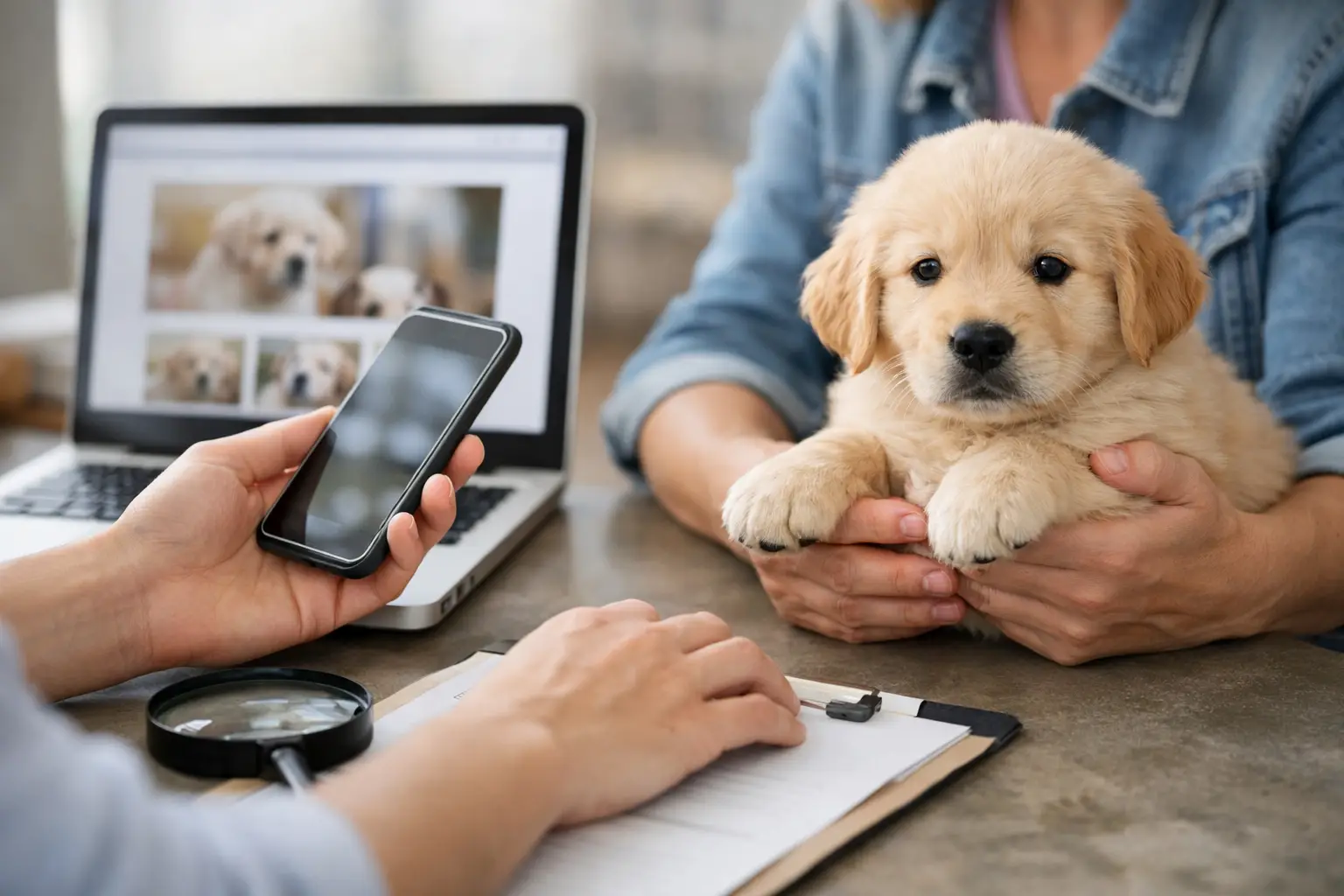
A puppy photo can make a decision feel easy. The safer choice happens before you fall in love with the photo: learning how to verify puppy sellers, checking the puppy's records, and making sure the person behind the listing is open, accountable, and easy to reach.
A responsible seller should welcome thoughtful questions. They should be able to tell you where the puppy was raised, share age-appropriate health information, introduce the parents when possible, and explain what happens between your deposit and delivery or pickup. No guesswork, no surprises.
Start by verifying the seller behind the listing
A real name, a working phone number, and a complete seller profile are basic starting points. Look for clear information about the seller's location, breeding home, experience, and the care they provide. A seller who only communicates through a generic social media account, refuses a phone or video conversation, or avoids direct questions deserves extra caution.
Ask to speak with the seller before sending money. Their answers do not need to sound rehearsed, but they should be specific. A responsible breeder or puppy seller can describe the puppy's daily routine, diet, socialization, temperament, and veterinary care. They should also know each puppy as an individual, not just as a color, gender, or price tag.
Identity verification adds another layer of confidence. On a marketplace such as All Puppies, verified seller information helps families begin with more accountability than an anonymous classified listing can offer. Verification is not a substitute for asking questions, but it makes it much harder for a bad actor to disappear after taking a payment.
How to verify puppy sellers through their records
Good paperwork is not glamorous, but it protects both your family and your future puppy. Before you reserve a puppy, ask what health records will be provided and when you will receive them. The answer should be clear, not vague promises that documents will be sent later.
At a minimum, you should expect records that show the puppy's veterinary care, vaccinations appropriate for its age, deworming history, and any known health concerns. Ask for the name of the veterinary clinic if you need clarification. A seller should never claim a puppy is perfectly healthy while refusing to provide the records that support that statement.
Parent information matters too, especially for breeds with known inherited health risks. Ask about the mother and father, their temperaments, sizes, and any relevant health screening. Depending on the breed, testing may cover hips, eyes, heart health, breathing, or genetic conditions. Not every breed needs the same screenings, so focus on what is meaningful for the puppy you are considering.
A responsible seller is also honest about the limits of health testing. Records and screenings reduce risk; they do not guarantee that a dog will never have a medical issue. Be wary of anyone who promises a lifetime of perfect health or dismisses reasonable questions about the breed.
Confirm the puppy's age and readiness to leave
A puppy should not be separated from its mother and littermates too early. Those early weeks support important development, including social skills and confidence. If a seller offers a very young puppy for immediate pickup or pressures you to take one before it is ready, step back.
Ask for the puppy's date of birth and expected go-home date. Then make sure the timeline matches the veterinary records and the puppy's appearance in photos or video. Details should line up naturally. When they do not, it is worth asking why.
Ask for a live video call or visit
A current video call is one of the most useful ways to verify a puppy listing. Ask to see the puppy moving around, interacting with the seller, and resting in its normal environment. If possible, ask to see the mother as well. A live call helps confirm that the puppy exists, looks like the listing photos, and is being raised in a clean, caring setting.
An in-person visit can be helpful when distance allows, but it is not the only safe path. Many families find puppies outside their immediate area. In that case, live video, documented records, seller verification, clear delivery planning, and protected payment tools can provide meaningful safeguards.
Do not expect a breeding home to feel like a showroom. A busy, loved, well-kept home may have puppy pens, toys, bedding, and normal signs of dogs living there. What you want to see is clean water, safe spaces, alert puppies, and a seller who is comfortable showing you how the dogs are cared for.
Read reviews with context
Reviews can show how a seller communicates after the listing goes live, not just how appealing their puppies look online. Look for comments about responsiveness, accurate descriptions, health records, pickup or delivery coordination, and whether the family felt supported after bringing their puppy home.
One short review is not necessarily a problem, particularly for a newer seller. What matters is the overall pattern. Several detailed reviews that describe a transparent, caring experience are more useful than a long list of generic five-star comments. Pay attention to how the seller responds to concerns, too. Professional, calm communication is a good sign.
Watch for pressure, secrecy, and payment risks
Scammers often create urgency because they do not want buyers to pause and verify the details. Be cautious if a seller says several people are waiting, insists you pay within minutes, or offers an unusually low price only if you act immediately. A real puppy may have other interested families, but a responsible seller will still give you room to review the information and make a thoughtful decision.
These warning signs are especially concerning when they appear together:
- The seller will not speak by phone or join a live video call.
- Photos appear inconsistent, overly polished, or cannot be verified as current.
- The price is far below what is typical for the breed and region.
- The seller cannot provide health records, parent details, or a clear go-home date.
- They ask for payment through a hard-to-recover method or outside the marketplace.
- They promise shipping but cannot explain who is transporting the puppy, when, or how the puppy's welfare is protected.
A deposit can be normal when it is tied to a clear agreement and a specific puppy or place on a litter list. It should not feel like sending money into a blank space. Read the terms, keep communication in writing, and make sure you understand when payments are due, what happens if plans change, and how delivery or pickup will be confirmed.
Use protected payments and a clear delivery plan
The payment process is part of verifying the seller. If a seller tries to move you from a protected checkout to an unfamiliar payment app, cash transfer, gift card, or cryptocurrency, do not proceed. These methods can leave you with little recourse if the puppy is not delivered or the listing is fraudulent.
A safer transaction keeps the payment connected to the listing and delivery process. Protected payments held through delivery give both sides a clear structure: the seller knows the family is committed, and the buyer has more protection until the puppy arrives as agreed.
If the puppy is traveling to you, ask practical questions. Who will provide transportation? Will the puppy travel by ground or air? What date range should you expect? How will you receive updates? Responsible delivery coordination should be specific, humane, and built around the puppy's age and well-being, not treated as an afterthought.
Make sure the seller is evaluating you, too
A caring seller does not simply accept the first payment. They want to know where their puppy is going. They may ask about your household, other pets, work schedule, yard or exercise plans, and experience with the breed. This can feel personal, but it is often a sign that the seller is placing puppies thoughtfully.
The right match is more than a verified transaction. Consider whether the breed's energy level, grooming needs, size, and training requirements fit your daily life. A seller who gives realistic answers, including the challenging parts of puppyhood, is helping you prepare for a better start.
Trust evidence, not just emotion
It is completely normal to feel attached to a puppy quickly. Let that feeling motivate you to ask better questions, not fewer of them. A seller who offers verified identity information, health files, parent details, reviews, open communication, and protected payment options is giving you evidence you can use.
The puppy you bring home will become part of your routines, family stories, and everyday comfort. Taking an extra day to verify the seller is a small step toward bringing home a companion with care, confidence, and a safer beginning.