Puppy Seller Messaging Guide for Safer Choices
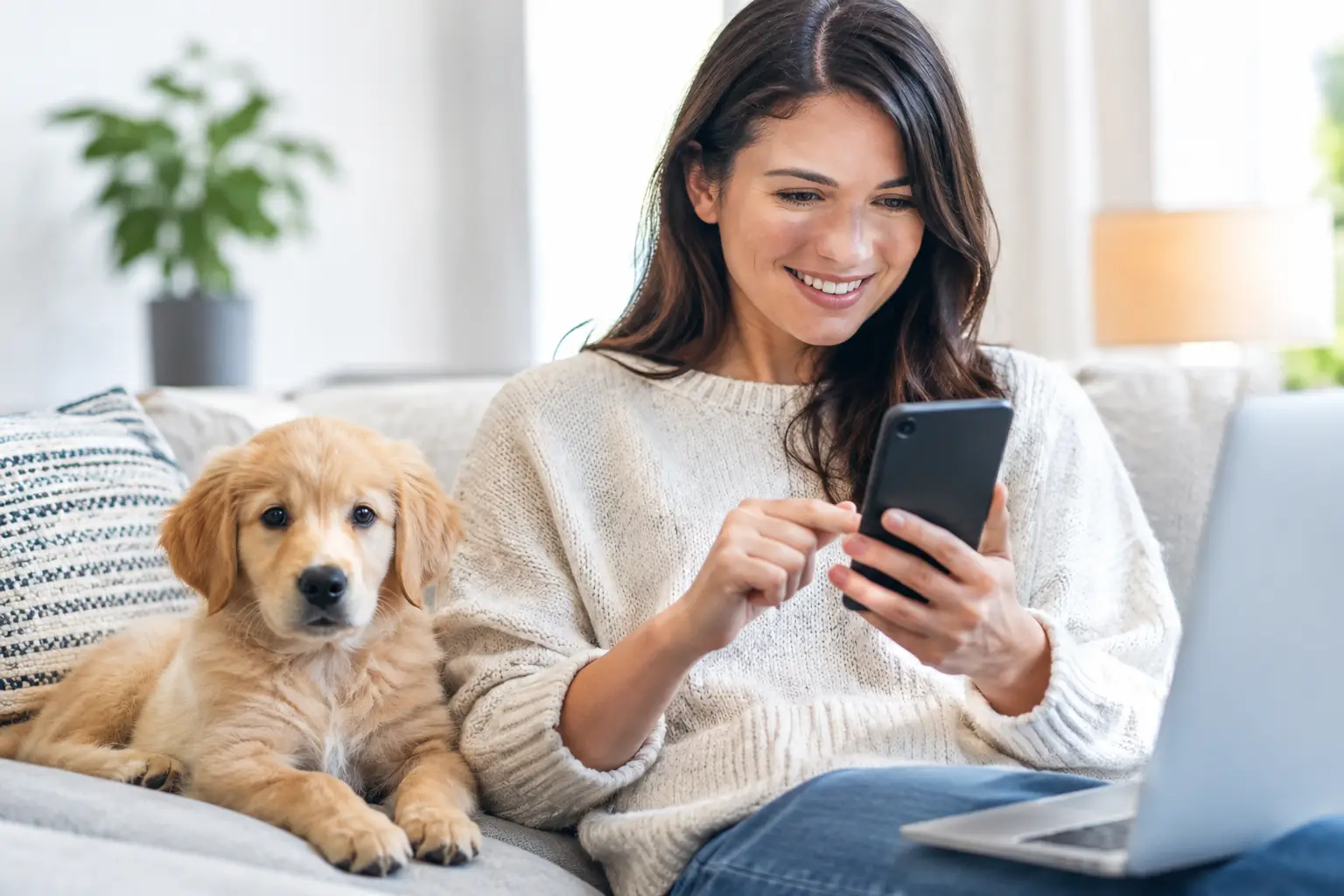
A puppy photo can make it tempting to send a quick message and reserve your favorite right away. But the first conversation is where you begin protecting your family, your budget, and the puppy you hope to bring home. This puppy seller messaging guide helps you ask thoughtful questions without making the process feel intimidating or impersonal.
A responsible seller should welcome reasonable questions. They know that a puppy is not an impulse purchase and that a good match depends on more than a cute face, a popular breed, or an available date. Clear, respectful communication gives you a better view of the puppy’s upbringing, health information, parents, and readiness for your home.
Start With a Clear, Warm First Message
Your first note does not need to be long. It should show that you have read the listing, understand the basic details, and are serious about providing a good home. A seller is also getting to know you, so a friendly and specific message is more useful than simply asking, "Is this puppy available?"
Mention the puppy or litter that caught your attention, share a little about your household, and explain what you are looking for in a dog. For example, a family with young children may want to know about the puppy’s early socialization and expected adult temperament. An experienced dog owner may have more detailed questions about parents, genetic testing, or the breed’s typical needs.
Questions Worth Asking Before You Commit
In your first few messages, ask for details that help you understand the puppy’s background and care. These questions are reasonable, and a reputable seller should be able to answer them clearly:
- What is the puppy’s date of birth, and when will they be ready to go home?
- Can you share the puppy’s health records, vaccination information, and veterinary care to date?
- Can I see information about the puppy’s parents, including photos and any available health testing?
- How has the puppy been raised and socialized so far?
- What does the purchase include, such as registration papers, food, a health guarantee, or support after pickup?
You do not have to ask every question in one message. Start with the information most important to your household, then follow up as you learn more. Thoughtful conversations tend to unfold over time, especially when you are considering a young puppy who is still developing.
Ask About Health Records and Parent Information
Health information should be specific, not vague. A seller saying that a puppy is "healthy" is reassuring, but it is not the same as sharing documented veterinary records, dates of vaccinations or deworming, and details about any health checks already completed.
Ask what records will come home with the puppy and whether there are breed-specific health considerations you should discuss with your veterinarian. Some breeds have known concerns involving joints, eyes, breathing, heart health, or inherited conditions. That does not automatically mean a puppy is unhealthy. It means responsible decisions require honest information about the parents and the care behind the litter.
How to Discuss Parents Without Feeling Awkward
Parent information matters because it can provide helpful context about size, appearance, temperament, and health history. Ask whether the seller can share photos, health testing details, and information about both parents. If one parent does not live on-site, that is not necessarily a problem. The seller should still be able to explain the arrangement and provide relevant records.
Pay attention to how they describe temperament. A useful answer goes beyond calling every dog sweet or friendly. It may explain whether a parent is energetic, calm around children, reserved with strangers, eager to work, or especially affectionate. No one can promise an exact adult personality, but this context can help you set realistic expectations.
Keep Messages Focused on the Puppy’s Real Life
A good puppy match is about more than color, coat type, or a particular gender. Ask how the puppy spends each day. Is the litter raised in a home environment? Have the puppies heard normal household sounds? Have they been gently handled by adults or children? Are they beginning age-appropriate routines such as crate exposure, grooming, or potty habits?
The answers will vary based on the puppy’s age and the breeder’s program. Very young puppies should not be expected to be fully trained, and no responsible seller should rush a puppy home before it is developmentally ready. What you are looking for is evidence of attentive daily care and realistic expectations, not perfection.
If you have children, another dog, cats, a busy work schedule, or a preference for a quieter companion, say so early. The right seller may help you identify the puppy that best fits your home instead of pushing you toward the first available one. That kind of guidance is often a positive sign.
Notice How the Seller Communicates
You are not only evaluating the information in a seller’s messages. You are also evaluating the way they respond. Clear, patient answers, consistent details, and a willingness to provide records can make a meaningful difference. A responsible seller may need time to respond while caring for dogs and puppies, but their communication should not feel evasive or pressured.
Be cautious if a seller refuses to share health information, avoids questions about the parents, changes important details, or insists that you send money immediately. Pressure is especially concerning when it comes with an unusually low price, a story about several other buyers waiting, or a request to pay through an unprotected method.
A seller may not be able to accommodate every request, and that can be reasonable. For example, they may have boundaries around visits before puppies have received certain veterinary care, or they may limit contact to protect a young litter. What matters is whether they explain those boundaries clearly and offer a transparent alternative, such as updated photos, video calls, records, or a planned pickup process.
Confirm the Payment and Delivery Plan in Writing
Before placing a deposit or making a payment, make sure you understand the full process. Ask for the total price, what any deposit covers, when remaining payments are due, and what happens if circumstances change. Review any agreement carefully, including health guarantee terms, return policies, and pickup or delivery expectations.
A safe transaction should never rely on uncertainty. Keep important details in writing, including the puppy’s identifying information, promised documents, payment schedule, and the planned date for pickup or delivery. Protected payment options add another layer of reassurance because your money is not simply sent into the unknown. On All Puppies, payments are protected until delivery, helping families move forward with more confidence.
If delivery is part of the plan, ask who will transport the puppy, how travel arrangements are handled, and what you should prepare before the puppy arrives. A seller should never propose an arrangement that puts a young puppy’s welfare at risk or leaves you without clear confirmation of where and when you will receive them.
Use Your Instincts, Then Verify the Details
Excitement is normal when you find a puppy you love. Still, give yourself permission to pause. Read the listing again, compare the seller’s messages with the documented details, and make sure your questions have been answered before committing. A little patience can prevent a great deal of stress later.
The right seller will want the same thing you do: a safe, loving, permanent home for their puppy. When communication feels honest, records are available, and the process is clear, you can focus on the joyful part - preparing your home for the new family member who will soon walk through the door.