Safe Puppy Delivery for Your New Best Friend
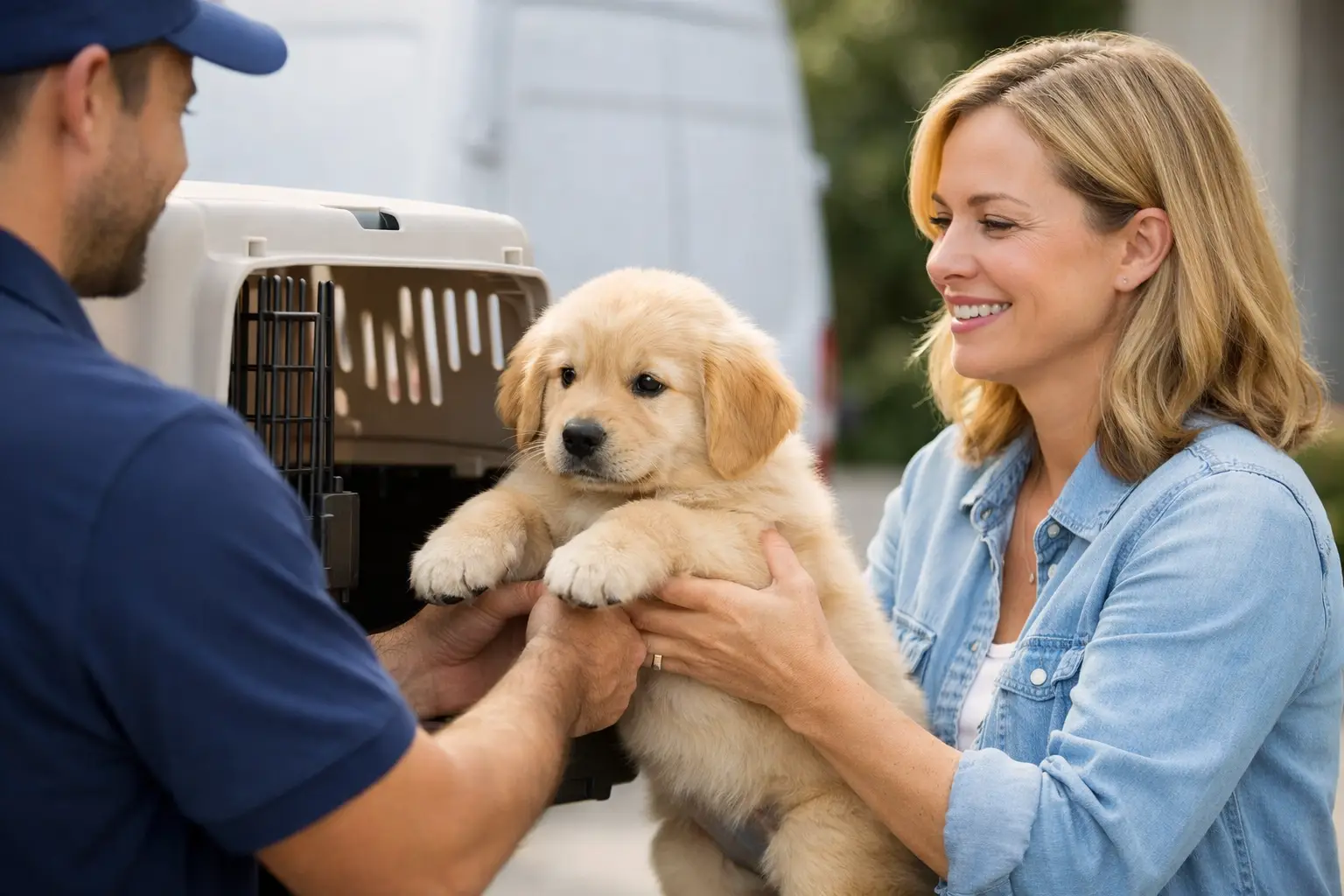
A puppy is not a package, and puppy delivery should never feel like one. By the time your new dog starts the trip home, you should know who is caring for them, how they will travel, what records come with them, and when you will receive them. No guesswork, no surprises - just a clear plan that puts your puppy’s comfort and safety first.
For families who find a puppy outside their immediate area, safe delivery can make the right match possible without turning the process into a risky long-distance transaction. The key is choosing a seller and delivery arrangement that are transparent from the first conversation through the moment your puppy is safely in your arms.
What Safe Puppy Delivery Should Include
A responsible delivery plan starts well before travel day. The seller should be able to explain the puppy’s current routine, feeding schedule, health history, and readiness to leave their home. You should also have clear details about the travel method, expected timing, handoff location, and the person or service responsible for transport.
There is no single best delivery option for every puppy or every family. Distance, weather, breed, age, and your own schedule all matter. A family a few hours away may prefer to meet the seller and drive the puppy home themselves. For a longer trip, ground transport or a flight nanny may be appropriate when the arrangement is thoughtfully managed. What matters is not choosing the fastest option. It is choosing the option that keeps the puppy supervised, comfortable, and handled with care.
Before making final arrangements, ask how often the puppy will be checked, how they will be secured during travel, and what happens if weather or travel delays change the plan. A responsible seller will welcome these questions. Clear answers are a sign that the puppy’s well-being is being treated as the priority.
Review the Details Before You Arrange Delivery
The excitement of finding the right puppy can make it tempting to move quickly. Take a pause before committing to delivery. You are not only confirming logistics. You are confirming that the puppy, seller, and transaction all meet the standard your family deserves.
Start with the puppy’s health information. Review available veterinary records, vaccination and deworming documentation, and any health guarantee or agreement provided by the seller. Ask about the puppy’s current food, any medications or supplements, and whether there have been any recent health concerns. If the puppy has specific needs, make sure you understand them before travel day instead of learning about them at pickup.
Parent information can also provide helpful context. Responsible breeding homes should be open about the puppy’s mother and father, including relevant health information and temperament details. Photos and videos are useful, but a live conversation or video call gives you a better chance to see how the puppy moves, responds, and interacts with the person caring for them.
You should also confirm the puppy’s age and readiness to leave. Puppies need adequate time with their mother and littermates for healthy early development. A seller who pressures you to arrange immediate travel for a puppy that seems too young is giving you a reason to slow down.
If travel crosses state lines, ask what health certificate or other paperwork will accompany the puppy and whether your state has arrival requirements. The seller or transporter should be able to explain the plan clearly. If the answer is vague, incomplete, or changes from one message to the next, do not send money just to keep the puppy from being sold to someone else.
Protected Payments Make a Meaningful Difference
Delivery is one of the moments when buyers can be most vulnerable to scams. A bad actor may offer a puppy at an unusually low price, insist on a quick wire transfer, then add surprise fees for a crate, insurance, or an invented travel problem. They may stop responding once payment is sent.
A safer process keeps communication, records, and payment expectations in one organized place. On All Puppies, verified seller profiles, documented puppy details, and protected payments held through delivery give families a clearer path forward. You can review the seller’s information and communicate directly before agreeing to a plan, rather than relying on a stranger’s rushed messages.
Never let urgency replace verification. Be especially cautious if someone refuses a video call, will not provide current photos or records, asks you to pay through an unprotected method, or claims that a puppy must ship immediately because another buyer is waiting. A caring seller wants the puppy placed with a prepared family. They do not need to pressure you into skipping reasonable questions.
Choose the Right Travel Plan for Your Puppy
A good travel plan should be specific. “We can ship anywhere” is not enough. Ask how the puppy will travel, who will be present, how the puppy will have access to water, and where any necessary breaks will happen. You should receive the transporter’s name and contact information when a third party is involved, along with a realistic delivery window.
Ground transport can be a comfortable choice when it is managed by an experienced, attentive provider. It may allow more flexibility for rest stops and monitoring, though a very long drive can still be tiring for a young puppy. Ask about the number of animals traveling together, the vehicle’s temperature control, cleaning practices, and overnight arrangements if applicable.
A flight nanny arrangement can reduce the time a puppy spends in transit on longer routes. In this setup, a trained caregiver typically accompanies the puppy in the cabin. It can be a good fit when available, but it depends on airline policies, route availability, weather, and the puppy’s individual needs. Confirm who is responsible if a flight is delayed or canceled.
If you can safely travel to meet the seller, picking up your puppy yourself offers a valuable chance to see where the puppy was raised and speak face to face. Bring a secure travel crate or carrier, absorbent pads, water, a small towel, and the food the puppy is already eating. The ride home should be calm, not a parade of errands and introductions.
Prepare Your Home Before Arrival Day
Delivery day goes more smoothly when your puppy walks into a quiet, ready home. Set up a small puppy-safe area with a crate or playpen, a comfortable bed, water, and a few simple chew-safe toys. Remove loose cords, medications, cleaning products, small children’s toys, and anything else a curious puppy could swallow or chew.
Keep the first evening low-key. Your puppy may be sleepy, unsettled, thirsty, or reluctant to eat after travel. That does not automatically mean something is wrong. Give them time to decompress, offer the food recommended by the seller, and take them outside for frequent, calm potty breaks. Avoid inviting a crowd of relatives and neighbors over right away. A quiet introduction to your household helps your puppy feel secure.
Schedule a veterinary visit soon after arrival, following the timing in your purchase agreement or health guarantee. Bring every record you received, including vaccination information, deworming details, microchip information if provided, and the seller’s contact details. Your veterinarian can establish a baseline and help you plan the next steps for vaccines, parasite prevention, nutrition, and training.
At the Handoff, Slow Down and Check In
When your puppy arrives, take a moment before you focus on photos and introductions. Confirm that you received the records, supplies, and any paperwork promised in the agreement. Look at your puppy’s overall condition. They may be tired from travel, but they should appear alert when awake, able to move comfortably, and free from obvious signs of distress.
Ask the delivery person or seller when the puppy last ate, drank water, and had a potty break. Confirm the food brand and feeding amount one more time. If anything is different from what was agreed upon - the puppy’s identity, health documents, delivery timing, or condition - document the issue and use the protected process available to you before accepting explanations that do not add up.
The first car ride, first nap, and first meal are small moments that become part of your family’s story. Give your puppy a calm welcome, keep their world simple for the first few days, and let trust grow at their pace. A careful delivery plan does more than get a puppy from one place to another. It gives your new companion the gentle start they deserve.