Understanding Puppy Health Records Before You Buy
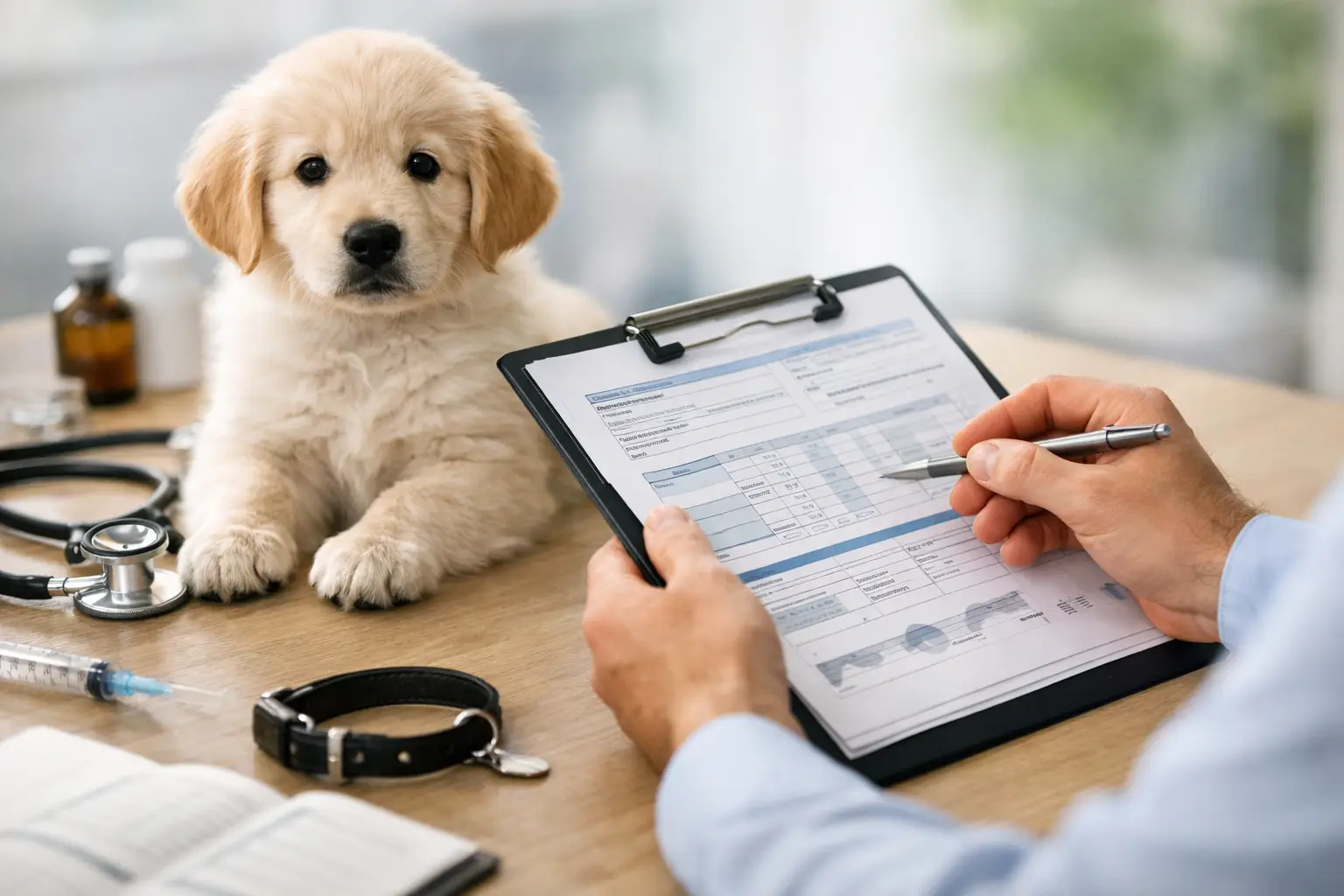
A puppy can look perfectly healthy in photos and still leave you with unanswered questions. Before you plan a pickup date, prepare your home, or fall in love with a name, ask to see the puppy’s health information. Understanding puppy health records gives your family a clearer picture of the care a puppy has received so far - and helps prevent surprises after your puppy comes home.
Health records are not a promise that a dog will never get sick. Puppies, like children, are still developing and may need ongoing veterinary care. What good records do provide is transparency: proof of routine care, a starting point for your veterinarian, and meaningful insight into how responsibly the puppy has been raised.
What Puppy Health Records Should Tell You
A puppy health record is usually a collection of documents rather than one official form. The exact contents can vary by the puppy’s age, breed, seller, and state requirements. A younger puppy may have only begun its vaccine series, while an older puppy may have more completed care documented.
At a minimum, you should be able to understand when the puppy was examined, what preventive care was given, and whether the seller has shared known health information. Dates matter. A record that says a vaccine was given without a date, product name, or veterinary source is much less useful than a complete entry.
Look for clear, readable documentation rather than vague claims such as “shots up to date.” A responsible seller should be comfortable walking you through what each record means and answering practical follow-up questions.
Vaccination history
Puppies need a series of vaccinations because their immune systems are still maturing. Their records may show vaccines commonly used to protect against illnesses such as distemper, parvovirus, adenovirus, and parainfluenza. Depending on the puppy’s age and local veterinary guidance, a rabies vaccine may or may not appear yet.
Do not assume a puppy is fully protected because it has received one or two shots. Most puppies need follow-up doses on a schedule set by a veterinarian. Ask which vaccines have been given, the dates they were administered, and when the next dose is due. Bring that information to your first veterinary appointment so your puppy’s care stays on track.
Deworming and parasite prevention
Many puppies receive deworming treatments early in life because intestinal parasites can be common in young dogs. Records should identify the treatment, the date, and ideally the dose or product used. Your veterinarian may recommend additional testing or treatment after your puppy arrives, especially if there are digestive symptoms.
External parasite prevention for fleas, ticks, or heartworm can differ based on a puppy’s age, weight, location, and veterinarian’s recommendations. If it is listed, confirm when it was last given and ask your veterinarian what should come next. More medication is not automatically better. The right plan depends on your puppy and where you live.
Veterinary examinations and health certificates
A veterinary exam record can show that a licensed veterinarian evaluated the puppy before placement. It may note weight, heart and lung findings, eye and ear checks, skin condition, bite alignment, and whether the veterinarian observed any concerns at that visit.
Some interstate puppy deliveries require a certificate of veterinary inspection, often called a health certificate. This is a travel-related document completed by a veterinarian within a limited time window. It is valuable, but it is not the same thing as a lifetime health guarantee or a complete medical history. Read it alongside the rest of the puppy’s records.
Microchip information
If the puppy has been microchipped, ask for the chip number and registration instructions. A microchip only works as intended when the contact information is registered and kept current. Confirm whether the chip has already been registered to the seller, whether ownership needs to be transferred, and whether there is a registration fee.
Understanding Puppy Health Records From the Parents
A puppy’s own care record is only part of the picture. Parent information can help you ask smarter questions about inherited conditions that may affect a particular breed or mix.
Responsible breeding homes may provide documentation of health testing for the sire and dam. The type of testing depends on the breed. For example, some breeds commonly benefit from hip and elbow evaluations, eye examinations, cardiac screening, patella testing, or DNA testing for breed-specific inherited conditions.
A DNA result is useful, but it should not be treated as a complete health report. DNA panels look for specific genetic variants. They do not replace physical examinations, orthopedic evaluations, or cardiac and eye testing when those are relevant to the breed. Likewise, a clear result for one condition does not mean a puppy is guaranteed free of every possible health issue.
Ask which tests were completed for each parent, when they were performed, and what the results mean. If you are considering a breed with known health sensitivities, this conversation is especially worthwhile. Good sellers do not need to have a perfect answer to every question, but they should provide accurate documentation and speak openly about their breeding decisions.
How to Review Records Without Guesswork
Start by matching the paperwork to the puppy. Confirm the puppy’s date of birth, breed or mix, sex, coat description if listed, and microchip number if applicable. Small clerical errors can happen, but major mismatches deserve an explanation before you move forward.
Then review the timeline. Does the puppy’s age make sense with the vaccinations and deworming listed? Are visits, treatments, and examinations dated? Does the paperwork identify the veterinary clinic or licensed veterinarian when it should? Complete records create a clear trail of care.
It also helps to separate facts from sales language. “Vet checked” can be a useful claim, but ask for the exam documentation. “Health tested parents” should lead to actual test results or certificates. “Healthy puppy” is reassuring, yet it does not replace records showing the care behind that statement.
If a document is hard to read, incomplete, or unfamiliar, do not feel pressured to interpret it alone. Save a copy and share it with your own veterinarian. A veterinarian can explain vaccine timing, identify upcoming care needs, and help you understand whether a note in the record requires monitoring.
Questions Worth Asking the Seller
A calm, direct conversation can tell you as much as the paperwork itself. Ask when the puppy was last seen by a veterinarian, whether the puppy has had any illness or treatment beyond routine care, and whether there are any current concerns with appetite, stool, breathing, mobility, skin, or behavior.
You should also ask what food the puppy is eating, how often it is fed, and whether any supplements or medications are being used. Sudden food changes can upset a puppy’s stomach, so this information is useful even when there are no health concerns.
Finally, ask for the recommended timing of your puppy’s next veterinary visit. Many families schedule an appointment within the first few days of bringing a puppy home. This gives your veterinarian a baseline exam, lets you discuss records in person, and provides reassurance while your puppy adjusts.
Watch for Missing Information or Pressure
Not every missing item means a seller has done something wrong. A very young puppy will naturally have fewer records than an older one, and some parent tests may not apply to every breed. The concern is not a single absent document. It is a pattern of unclear answers, inconsistent details, or pressure to pay before you can review basic health information.
Be cautious if a seller refuses to share records, cannot explain what care was provided, offers paperwork with no identifying details, or discourages a veterinary visit after pickup. Families deserve time to review the information and ask questions before making a major commitment.
Platforms such as All Puppies help make this stage easier by giving families a place to review documented health details, parent information, and seller profiles before arranging a protected transaction. Still, your own questions and your veterinarian’s guidance remain part of making a careful decision.
Keep the Records Working for Your Puppy
Once your puppy is home, make a digital folder and keep the original papers in a safe place. Add new vaccination records, receipts, test results, insurance details if you choose coverage, and notes from each veterinary visit. This file will be useful when you change veterinarians, board your dog, travel, or need to make health decisions later.
The best records do more than check a box before purchase. They help you begin your puppy’s life with a clear handoff of care - from the home that raised them to the family ready to love them.