Understanding Puppy Vaccination Records for Families
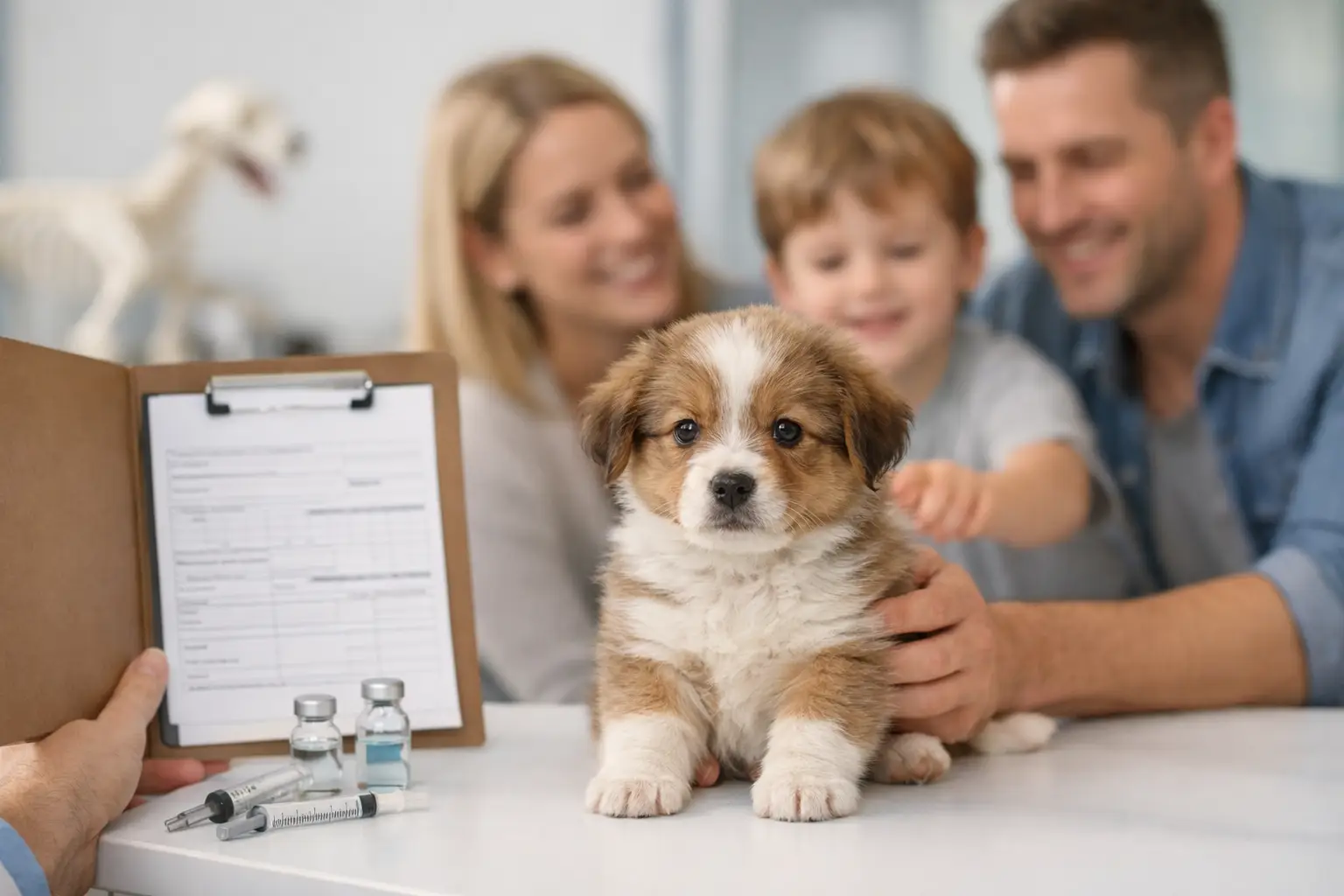
A puppy’s vaccination record may look like a small stack of dates, stickers, and initials, but it answers some of the biggest questions a new family has: Has this puppy received appropriate early care? What protection do they have today? What appointments need to happen next? Understanding puppy vaccination records takes the guesswork out of those first weeks at home and gives your veterinarian a clear starting point.
A complete record is also a sign of transparency. Responsible breeding homes should be ready to share documented health information, explain the care a puppy has received, and answer practical questions without pressure. No guesswork, no surprises - just the information you need to make a careful decision for your family and your puppy.
What a Puppy Vaccination Record Should Show
A vaccination record is not simply a list of shots. It is a medical document that helps track a puppy’s protection against contagious diseases and the care still ahead. The format can vary by veterinary practice, but a useful record usually includes the puppy’s identifying information, the date of each vaccine, the vaccine name or type, and the clinic or person who administered it.
Look for the puppy’s name, date of birth, breed, sex, and sometimes color or microchip number. These details matter because they help ensure the paperwork belongs to the puppy you are bringing home. If a litter has similar-looking puppies, confirm the record identifies the right one.
For each vaccine, the record may show a product sticker or label with the manufacturer, lot number, and expiration date. The lot number allows a veterinarian to trace the product if there is ever a safety concern. You may also see the signature or initials of the veterinarian or staff member who gave the vaccine.
A clean, professional-looking record is reassuring, but it is not the only thing that matters. Ask questions if dates are unclear, the puppy’s information does not match the listing, or the record lists vaccines without saying who administered them. A responsible seller should welcome the conversation.
The Vaccines You May See on Puppy Records
Most puppy records include a combination vaccine often written as DHPP, DAPP, DA2PP, or a similar abbreviation. The letters can differ slightly by manufacturer, but this core vaccine generally protects against distemper, adenovirus or hepatitis, parainfluenza, and parvovirus. These diseases can be serious, especially for young puppies.
Puppies do not receive one dose and become fully protected immediately. They need a series of doses because antibodies from their mother can interfere with early vaccines. Your veterinarian will use the puppy’s age, prior doses, health status, and local disease risks to decide when the next dose is due. In many cases, the series continues every few weeks until the puppy is at least 16 weeks old, though your veterinarian should set the schedule for your individual dog.
Rabies is another vaccine you may see, but it is often given later than the earliest puppy shots. State and local rules affect the required timing, and a rabies certificate may be separate from the regular vaccination record. This certificate is particularly valuable for licensing, boarding, travel, and any situation where proof of rabies vaccination is required.
Some puppies may also receive non-core vaccines, such as Bordetella for kennel cough, canine influenza, leptospirosis, or Lyme disease. These are not automatically right for every puppy. A social puppy who will attend training classes, daycare, grooming appointments, or boarding may have different needs than a puppy who will remain mostly at home. Geography matters, too. Your veterinarian can help you weigh the actual risk rather than paying for vaccines your puppy may not need.
Reading Dates Without Making Assumptions
The most common misunderstanding is treating a record as proof that a puppy is fully vaccinated. A young puppy can be appropriately vaccinated for their age and still need additional doses. What matters is not just what has been given, but when it was given and what is due next.
Start with the puppy’s birth date. Then compare it with each vaccine date. A record showing a first combination vaccine at an appropriate early age and a planned follow-up is very different from a record that claims every vaccine is complete for an eight-week-old puppy. If the schedule seems unusual, do not assume anyone has done something wrong. Ask for clarification and share the record with your own veterinarian before your puppy’s first visit.
Also pay attention to the difference between “given” and “due.” Some records include a suggested next date, which is helpful, but it is not a replacement for veterinary guidance. Your veterinarian may adjust the plan based on the vaccine product used, your puppy’s age at the last dose, and their health examination.
Avoid taking a puppy to dog parks, busy pet-store floors, or other areas frequented by unknown dogs before your veterinarian says their protection is adequate. Socialization is still essential during puppyhood, so focus on safer options: meeting healthy, vaccinated dogs you know, carrying your puppy in public spaces, and attending a well-run class that follows veterinary vaccine requirements.
Vaccinations, Deworming, and Health Records Are Different
Puppy paperwork often comes in a packet, and the documents can be easy to mix up. Vaccination records track vaccines. Deworming records show treatments for common intestinal parasites. A veterinary exam or health certificate documents an examination and may be required for certain travel or delivery arrangements. Each has a different purpose.
Deworming is common in young puppies because parasites can pass from mother to puppy before or shortly after birth. A record may list a product name, dose, and date. That does not guarantee a puppy will never have parasites after coming home. Your veterinarian may recommend a fecal test at the first appointment and discuss ongoing parasite prevention based on your puppy’s lifestyle.
Likewise, a health certificate is not a lifetime health guarantee. It is evidence that a veterinarian examined the puppy at a particular time. Review it alongside vaccination records, parent information, any genetic testing available, and the seller’s answers about the puppy’s daily care. Together, these details create a more complete picture.
Questions to Ask Before You Bring Your Puppy Home
Before making final arrangements, request the vaccination record in a readable form and take time to review it. If you are using a marketplace that displays documented health files, such as All Puppies, compare the file with the puppy’s listing details and ask the seller about anything you do not understand.
The most helpful questions are direct: Which vaccines has the puppy received? On what dates? Who administered them? When does the seller recommend the next veterinary appointment? Is there a rabies certificate, if the puppy is old enough? Has the puppy received deworming treatments, and what products were used?
You should also ask whether the puppy has had vomiting, diarrhea, coughing, poor appetite, unusual tiredness, or a reaction after any prior vaccine. These questions are not meant to catch a seller off guard. They help your veterinarian provide safer, more informed care from day one.
If the seller cannot provide records, offers only vague answers, or urges you to skip a veterinary visit, pause before proceeding. Documentation is part of responsible puppy care. A protected payment process and clear delivery arrangements can add confidence, but they never replace the need for honest health information.
Bring the Records to Your First Veterinary Visit
Schedule your puppy’s first veterinary appointment soon after arrival, ideally within the timeframe specified in your agreement or the veterinarian’s recommendation. Bring every document you received, including vaccination and deworming records, health certificates, medication information, and any notes about feeding or symptoms.
Your veterinarian can verify the schedule, examine your puppy, recommend the next vaccines, and explain parasite prevention, nutrition, and safe socialization. They may not be able to confirm every vaccine from an incomplete document, so keeping the original paperwork organized is worthwhile. Take a clear photo or scan as a backup, but save the paper copy too.
A vaccination record is not paperwork to file away and forget. It is the beginning of your puppy’s lifelong medical history. Keep it current, ask questions when something does not add up, and let your veterinarian guide the next steps. That small bit of organization can help your new puppy start family life with the protection and care they deserve.