How to Prepare for Puppies Before They Come Home
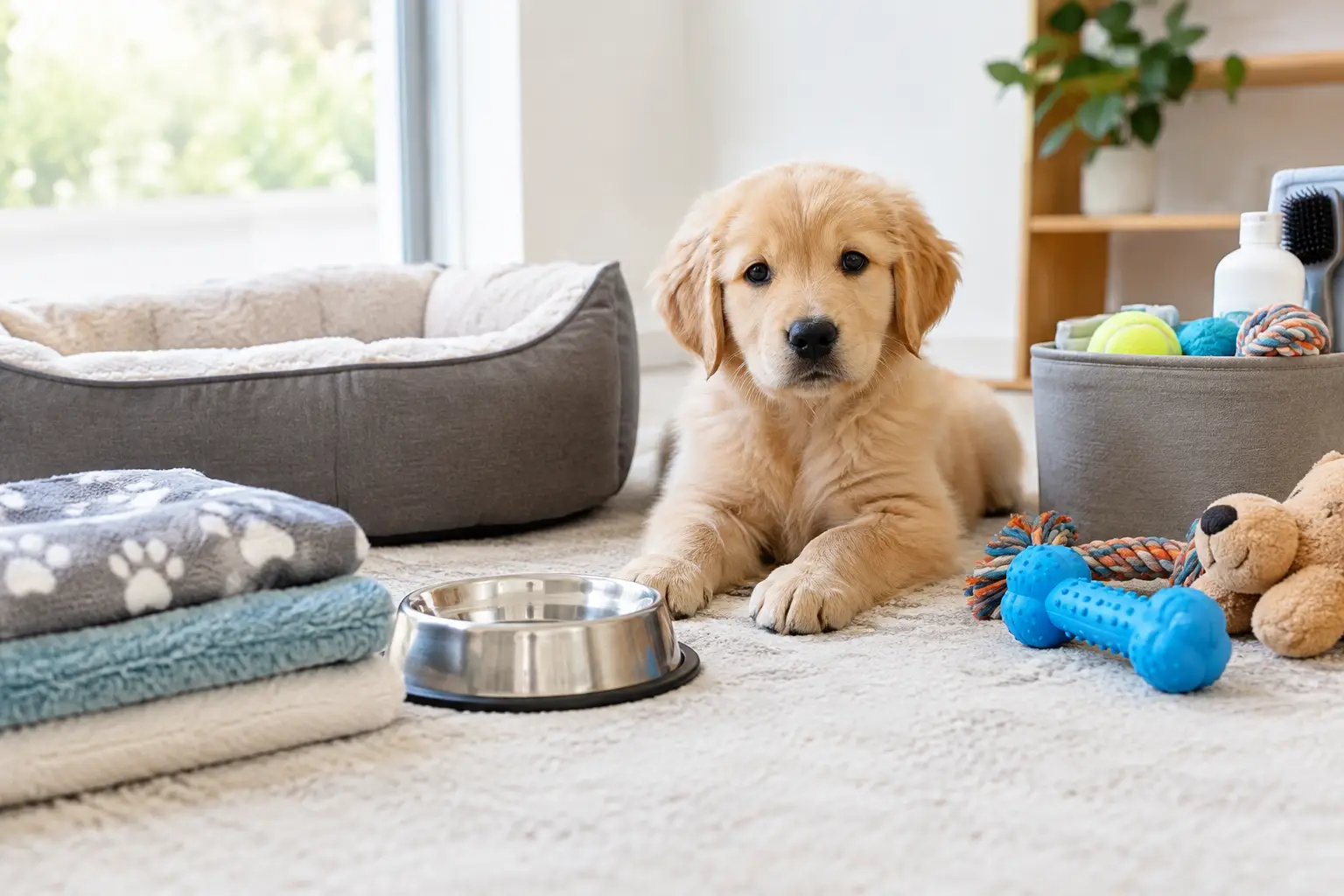
The day your puppy comes home should feel exciting, not like a scramble to find a crate, hide a phone charger, or figure out what they ate yesterday. Knowing how to prepare for puppies starts well before pickup or delivery. A little planning protects your new puppy’s health, helps your household adjust, and gives you a clearer way to choose a responsible seller.
A puppy is not a one-day purchase. They are a growing animal with a feeding routine, a medical history, a temperament, and a need for patient guidance. The best preparation makes room for all of it.
How to Prepare for Puppies Before You Commit
Before you bring home a puppy, make sure the breed, age, and activity level fit your real life. It is easy to picture the fun parts: walks, cuddles, and family photos. Think just as carefully about early mornings, house-training accidents, grooming, training costs, and the time a young dog needs every day.
Start with your household. Discuss who will handle feeding, potty breaks, training sessions, and veterinary appointments. If you have children, decide on simple rules before the puppy arrives: let them sleep, do not pull toys away, and give them space while they eat. Consistency from the first day is kinder to both kids and puppies.
Your schedule matters, too. A puppy cannot comfortably wait through a long workday without breaks. If everyone is away for extended periods, arrange a plan for midday care, a trusted family member, or a qualified pet care professional. This is not a reason to give up on getting a puppy. It is a reason to build a routine that gives them a fair start.
Choose a Puppy With Clear, Verifiable Information
Preparation also means knowing where your puppy comes from. A responsible seller should be ready to discuss the puppy’s parents, early care, temperament, feeding routine, and veterinary records. You should not have to rely on a few photos and a promise that everything is fine.
Review the available health documentation and ask what vaccinations, deworming, wellness checks, or genetic testing apply to the puppy and breed. Ask what food the puppy is currently eating and whether they are crate familiar, using puppy pads, or beginning outdoor potty routines. These details help you avoid making too many changes at once after they arrive.
Parent information can offer useful context as well. It does not predict every aspect of an individual puppy, but it can help you understand expected size, coat care, energy level, and breed-related health considerations. Seller reviews and direct communication add another layer of confidence. Pay attention to whether answers are specific, patient, and consistent.
Be cautious if someone pressures you to pay immediately, refuses to share basic records, will not answer questions about the puppy’s care, or insists on an unusual payment method. A protected payment process and documented delivery expectations can reduce uncertainty. At All Puppies, families can review verified seller information, puppy health files, parent details, and reviews before moving forward. No guesswork and no surprises should be the standard for such an important decision.
Set Up a Safe Puppy Space
You do not need to turn your home into a pet store. You do need one calm, secure area where your puppy can rest, eat, and settle in without access to every room at once. A crate or puppy pen can be helpful when introduced positively, never as punishment. Choose a size that gives the puppy room to stand, turn around, and lie down comfortably.
Puppy-proof from their eye level. Get down on the floor and look for cords, dropped medication, small toys, loose shoes, cleaning supplies, houseplants, and gaps behind furniture. Puppies investigate with their mouths, especially when they are teething. A few minutes of prevention can save you an urgent call to the veterinarian.
Before arrival, have these essentials ready:
- A properly sized crate or secure puppy pen, plus washable bedding
- Food and a bowl that match the seller’s current feeding routine
- A collar or harness, identification tag, leash, and waste bags
- Enzyme cleaner for accidents, puppy-safe chew toys, and a grooming brush
- Baby gates or another way to limit access to stairs, doors, and off-limits rooms
Avoid buying a huge assortment of treats, supplements, and toys before you know what your puppy enjoys and tolerates. One or two safe chew options and a few simple toys are enough at first. You can add more after you learn their habits.
Plan the First 72 Hours
The first few days are for quiet observation, not a parade of visitors. Travel, a new home, and unfamiliar sounds can be overwhelming, even for a confident puppy. Keep the environment calm and introduce new people gradually.
When your puppy arrives, take them to their potty area first. Then show them their water, resting space, and a small part of the home. Supervise closely and keep their world manageable. Giving a puppy free run of the house too soon often creates preventable accidents and can make it harder for them to settle.
Try to keep their food consistent for the first week unless a veterinarian advises otherwise. A sudden food change, combined with travel and stress, can upset a puppy’s stomach. If you plan to transition foods, do it gradually by mixing increasing amounts of the new food with the old one over several days.
Set a basic rhythm right away. Puppies usually need to go outside after waking, eating, drinking, playing, and napping. Frequent trips are normal. Reward them calmly when they use the right spot, and clean indoor accidents without scolding. Punishment can make a puppy afraid to potty in front of you rather than helping them understand the routine.
Nighttime may be difficult at first. Place the crate or sleeping area near your bedroom if possible, especially for a young puppy who has just left their littermates. You may need overnight potty breaks. The goal is reassurance and consistency, not expecting perfect sleep on night one.
Schedule Veterinary Care and Keep Records Organized
Arrange a veterinary visit soon after your puppy comes home, ideally within the time frame stated in your purchase agreement or recommended by the seller. Bring the health records you received, including vaccination and deworming information. Your veterinarian can perform a baseline exam, explain the next vaccine schedule, discuss parasite prevention, and answer questions specific to your puppy’s breed and age.
Keep paper and digital copies of every record in one place. This includes veterinary notes, vaccine dates, microchip information if applicable, feeding instructions, seller communications, and payment or delivery documents. Organized records make future care easier, especially if you change veterinarians, travel, enroll in training, or need boarding.
Ask your veterinarian about when it is appropriate to begin walks in public areas, meet unfamiliar dogs, and attend puppy classes. Early socialization matters, but safety matters too. Your puppy needs positive exposure to people, sounds, surfaces, handling, and well-managed environments while following your veterinarian’s guidance on disease risk.
Build Training Into Everyday Life
Training does not begin after the puppy settles in. It begins the moment they arrive, through calm repetition. Teach their name, reward them for coming to you, and show them what earns attention: four paws on the floor, gentle play, and settling quietly near you.
Keep sessions short. A few minutes at a time works better than a long lesson when a puppy is tired or distracted. Use small treats, praise, toys, or access to something they want, such as going outside. The best reward depends on the puppy.
Everyone in the home should use the same words and rules. If one person allows couch jumping, another discourages it, and a third laughs and encourages it, the puppy receives mixed signals. Decide what you want adult-dog life to look like, then begin practicing those boundaries with patience now.
Bringing home a puppy will still include surprises. There may be a chewed slipper, a 3 a.m. potty break, or a shy first day that turns into a bold second week. That is part of getting to know a new family member. Prepare the home, verify the details, keep the first days gentle, and give your puppy the steady care they need to feel safe with you.