Puppy Home Preparation Before Pickup Day
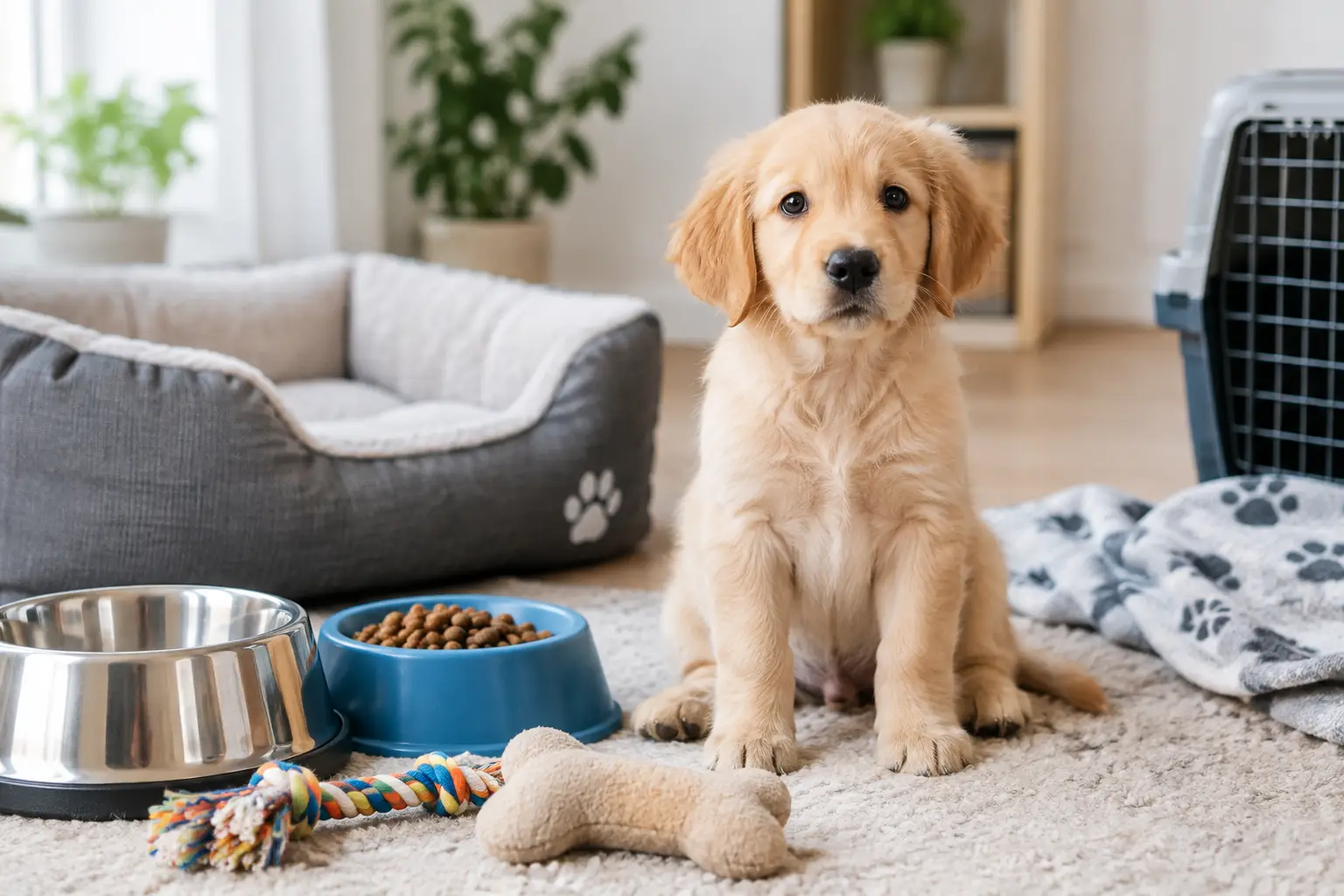
The car ride home is not the moment to wonder where your puppy will sleep, whether the backyard gate latches, or who is handling the first overnight potty break. Good puppy home preparation gives your new companion a calm landing place and gives your household a plan when the excitement is at its highest.
A puppy does not need a picture-perfect nursery. They need safety, consistency, gentle supervision, and people who are ready to meet their basic needs every day. Set up the essentials before pickup day, then leave room to learn your puppy's personality once they arrive.
Puppy Home Preparation Starts With a Safe First Space
A whole house can feel enormous and confusing to a young puppy. Start smaller. Choose one easy-to-clean area where your puppy can rest, play, eat, and be watched closely. A gated kitchen, laundry room, or section of the living room often works well. The best choice depends on your home's layout and where your family naturally spends time.
Place a properly sized crate or puppy pen in that space, along with a comfortable bed, water bowl, a few safe chew toys, and an area for supervised play. The crate should be large enough for your puppy to stand, turn around, and lie down comfortably, but not so large that one end becomes a bathroom. If you expect a large breed to grow quickly, an adjustable divider can make one crate work through several growth stages.
Keep the first space calm. Avoid placing it beside a loud television, a frequently opening exterior door, or the busiest path through the house. Puppies need naps as much as they need attention. A quiet retreat helps prevent an overtired puppy from becoming extra mouthy, wild, or anxious.
Puppy-proof at their level
Get down on the floor and look at each room from a puppy's point of view. Cords, dropped medication, children's small toys, laundry, houseplants, and snack wrappers are all more interesting at nose level than they are from across the room.
Before your puppy comes home, secure or remove these common hazards:
- Electrical cords, phone chargers, and blind cords
- Cleaning products, medications, vitamins, and pest-control products
- Chocolate, grapes, raisins, xylitol-containing gum, and alcohol
- Small objects that can be swallowed, including coins, socks, and toy pieces
- Toxic plants, loose trash, and accessible recycling
Use baby gates for stairs and rooms that cannot be fully puppy-proofed. Check window screens, balconies, deck railings, and outdoor fencing as well. A gap that seems too narrow for an adult dog may be just right for a curious puppy.
Gather Supplies Without Overbuying
It is easy to fill a cart with every cute puppy item available. Start with what supports health, comfort, training, and cleanup. You can add specialty gear after you know what your puppy actually likes and needs.
Ask the seller what food your puppy is currently eating and purchase enough for the first week or two. A sudden food change can upset a puppy's stomach during an already stressful transition. If your veterinarian recommends a new food, change it gradually according to their guidance.
You will also want a collar with an ID tag, a lightweight leash, food and water bowls, poop bags, an enzyme cleaner for accidents, a brush suited to the coat type, a nail trimmer or grinder, and toys designed for puppies. Choose chew toys by size and durability, and inspect them often. If a toy is breaking into pieces or is small enough to swallow, take it away.
Puppy pads can be useful in some situations, especially for apartment living or long travel days. Still, families who want their dog to toilet outdoors may find that pads create an extra habit to transition away from later. There is no single right answer. What matters is choosing a plan your household can follow consistently.
Plan the Routine Before the Puppy Sets the Schedule
Young puppies need frequent bathroom breaks, meals, naps, play sessions, and short training moments. Without a plan, normal puppy needs can feel like constant chaos. With one, the first week becomes much more manageable.
Decide who handles the morning outing, daytime breaks, feeding, evening exercise, and final potty trip. If multiple adults share care, write the schedule down. This prevents the common problem of a puppy being fed twice, not fed at all, or taken outside by three people who each assume someone else cleaned up an accident.
For the first few days, take your puppy outside after waking, eating, drinking, playing, and naps. Praise calmly and immediately when they go in the right place. Accidents are part of learning, not a sign that your puppy is being difficult. Clean them thoroughly with an enzyme cleaner and focus on closer supervision next time.
Sleep deserves its own plan. Many families place the crate near their bed at first so they can hear when the puppy needs a nighttime bathroom break. Others use a pen in a nearby room. Either can work, but consistency matters more than the exact location. A puppy who cries may need a potty trip, reassurance, or simply time to settle. Keep nighttime outings quiet and boring, then return them to bed without turning the moment into playtime.
Set Family Rules Before the First Wiggle and Kiss
A puppy will quickly learn which rules are real and which ones change depending on who is home. Before pickup day, agree on the basics: Is the puppy allowed on furniture? Which rooms are off limits? What word will everyone use for coming when called? Who is responsible for walks and training?
This conversation matters most in homes with children. Teach kids to let the puppy rest, avoid hugging tightly, leave them alone while eating, and use gentle hands. Even patient puppies need a break from constant attention. Adult supervision protects both the child and the puppy while they learn each other's signals.
If there are other pets, plan introductions slowly. Start with short, controlled meetings in a neutral or low-pressure space. Do not expect an immediate friendship. An older dog may need time, protected rest areas, and one-on-one attention to adjust. Keep food bowls, high-value chews, and favorite toys separate until you understand how everyone responds.
Prepare for the Health and Handoff Details
A responsible puppy transition includes more than a collar and a welcome-home photo. Review your puppy's health records, vaccination information, feeding instructions, and any seller guidance before pickup or delivery. Keep those documents in one place so they are ready for your veterinarian.
Schedule a veterinary visit soon after your puppy comes home. Your veterinarian can review the records, assess your puppy's overall condition, discuss parasite prevention, and help you plan the next vaccines. Bring a list of questions, especially if you are a first-time owner or your puppy has a breed-specific health consideration.
If you are still choosing a puppy, look for clear health information, visible parent details, seller communication, and reviews that help you understand where your puppy began life. All Puppies is built around those details because families deserve a clearer path than guesswork and risky informal listings. Payments protected until delivery and documented information can help you focus on preparing for the dog in front of you.
Have a travel plan, too. Bring a secure crate or puppy-safe restraint for the ride home, paper towels, cleanup supplies, water, and a familiar blanket if the seller can provide one. Keep the first ride quiet. Your puppy has just left the only environment they have known, and a calm start makes a difference.
Keep the First Week Small and Steady
It is tempting to introduce your puppy to every friend, neighbor, dog park, and family member right away. Early socialization is valuable, but it does not mean overwhelming your puppy. Focus on gentle, positive exposure to normal household sounds, different surfaces, calm visitors, car rides, and handling of paws, ears, and collar.
Watch your puppy's body language. A loose body, curious sniffing, and willingness to take treats usually suggest comfort. Hiding, freezing, tucked posture, or frantic behavior means it is time to create distance and slow down. Confidence grows through repeated safe experiences, not pressure.
Your home will not stay spotless, your schedule will not run perfectly, and there will probably be at least one chewed item you wish you had moved sooner. That is normal. A prepared home gives your puppy something more valuable than perfection: a safe, patient family ready to help them grow into their place.